Why Is The Laser Marking Machine An Indispensable Tool in Modern Manufacturing?

Views: 49     Author: Site Editor     Publish Time: 2025-09-29      Origin: Site

Inquire

facebook sharing button
twitter sharing button
line sharing button
wechat sharing button
linkedin sharing button
pinterest sharing button
whatsapp sharing button
sharethis sharing button

Table of Contents

1. Introduction

2. Working Principle of Laser Marking Machines

3. Advantages of Laser Marking Machines

4. Application Areas

5. Boosting Efficiency and Reducing Costs

6. Future Trends

7. Conclusion


Introduction

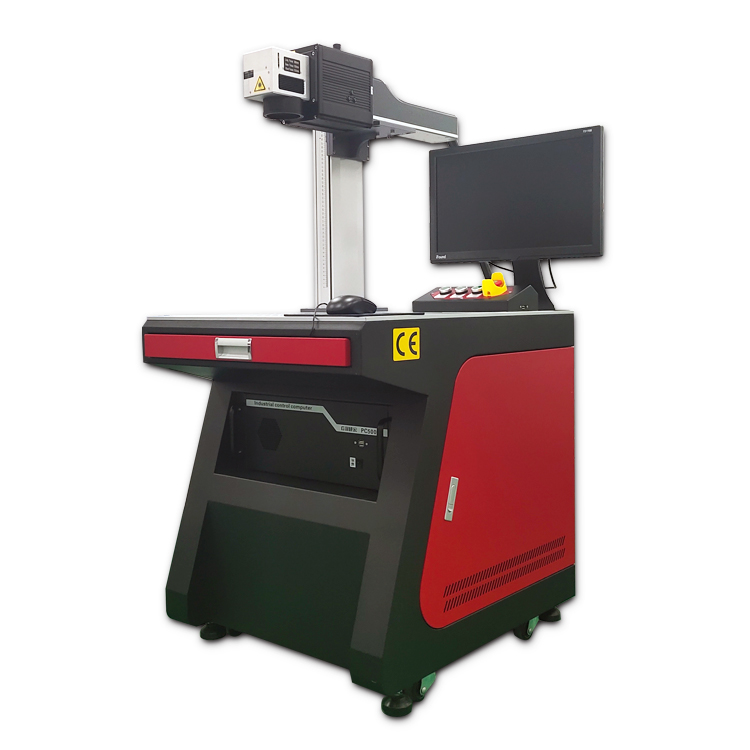
In today's rapidly evolving manufacturing sector, laser marking machines have become indispensable tools. These devices utilize laser technology to mark, engrave, or code on various material surfaces. Their operating principle involves instantaneously heating the material surface with a high-energy laser beam, inducing physical or chemical changes to create clear, permanent markings.


The fundamental functions of laser marking machines encompass coding, engraving, cutting, and label printing, finding extensive applications in product traceability, brand identification, barcode and QR code generation, and more. This high-precision, non-contact, and highly repeatable processing method grants laser marking machines a significant competitive edge in the market.


With the rise of Industry 4.0 and smart manufacturing, demand for laser marking machines continues to climb. Manufacturers increasingly prioritize product traceability, personalization, and brand differentiation—needs precisely met by laser marking technology. Consequently, laser marking machines are experiencing robust growth momentum in modern manufacturing, with their importance becoming increasingly prominent.

Working Principle of Laser Marking Machines

1. Fundamental Principles of Laser Technology

Laser light is a highly concentrated beam generated through stimulated emission, characterized by coherence, high directionality, and monochromaticity. Laser marking machines leverage these properties by focusing the laser beam onto a small area of the material surface via an optical system, enabling high-precision processing.


During laser marking, the laser beam generated by a laser source (such as CO₂ lasers or fiber lasers) is focused by a lens into an extremely small spot (typically only a few micrometers). When the beam strikes the material surface, its energy rapidly heats the material, causing it to vaporize or melt, thereby forming the desired markings or patterns.


1
5
1


2. Laser Marking Process

The laser marking process generally involves the following steps:

● Mark Design: First, design the content to be marked (such as text, symbols, or graphics) using computer software.

● Laser Parameter Setting: Set appropriate laser power, speed, frequency, and other parameters based on the type and thickness of the material being processed.

● Laser Marking: The laser machine precisely positions the beam onto the material surface via its control system, marking line by line according to the preset design.

● Cooling and Cleaning: After marking, minor slag or smoke residue may remain on the surface and requires removal.

Advantages of Laser Marking Machines

Laser marking machines demonstrate significant advantages in modern manufacturing due to their unique technical principles and processing methods, primarily reflected in the following aspects:


1. High Precision and Quality

Meticulously Detailed Marking Effects

Laser marking machines achieve micron-level precision, rendering intricate patterns, text, barcodes, and other identifications clearly visible. Their high-resolution marking meets modern product demands for aesthetics and quality, making them ideal for premium product identification.


Durability and Wear Resistance

Markings created by laser technology on material surfaces typically exhibit exceptional longevity, resisting various chemicals and environmental factors. The markings resist fading and wear, ensuring long-term readability and visual appeal. Consequently, laser marking is widely adopted in fields requiring long-term traceability and certification.


1
1
1


2. Flexibility and Adaptability

Suitable for Multiple Materials

Laser marking machines efficiently mark metals, plastics, wood, glass, leather, and other materials without requiring equipment changes. Different laser types (e.g., CO2, fiber, UV lasers) can be optimized for specific materials, meeting diverse processing needs.


Suitable for Small Batches and Mass Production

Laser marking machines offer exceptional flexibility in production, accommodating both individual product customization and high-efficiency mass production demands. They are particularly well-suited for manufacturing environments requiring rapid switching between different marking contents.


3. Non-contact processing

Reduced material damage

Laser marking is a non-contact process that avoids the pressure or scratches caused by traditional mechanical processing. This method significantly minimizes material damage, ensuring post-processing products meet ideal standards.


Minimizes Wear and Waste

While conventional marking methods may cause material loss during processing, laser marking achieves precise positioning through computer control, substantially reducing scrap and offcuts. This not only enhances material utilization but also lowers production costs.


Combining these advantages, laser marking machines have become essential tools in modern manufacturing for boosting production efficiency, improving product quality, and enhancing market competitiveness. Click here for more information

Application Areas

The high precision and versatile functionality of laser marking machines enable their widespread use across various industries. Below are several primary application areas:


1. Automotive Manufacturing

Component Numbering and Traceability

During automotive manufacturing, laser marking machines are extensively used to number and identify various components. Precise laser marking ensures each component carries a unique identification code, enabling effective traceability and management. This is crucial for quality control of parts and optimization of production processes. Laser marking also permanently affixes critical compliance information onto automotive components, meeting safety and regulatory requirements.


2. Electronics Industry

Component Identification, Barcodes, and QR Codes

Laser marking machines play a particularly vital role in the electronics industry, primarily for marking small parts and components. Laser marking enables highly precise marking on surfaces such as circuit boards, connectors, and chips, ensuring part traceability. Additionally, laser marking technology rapidly generates clear barcodes and QR codes, facilitating tracking and management during production and logistics while enhancing operational efficiency.


Handheld laser marking machine samples5-Suntop
Handheld laser marking machine samples4-Suntop
How to use laser marking machine to make high-definition marking on metal surface samples4-Suntop
How to use laser marking machine to make high-definition marking on metal surface samples2-Suntop


3. Medical Devices

Product Certification and Tracking

Laser marking machines are equally indispensable in the medical device industry. Given the stringent compliance and safety requirements for medical device production, laser marking can imprint critical data such as product information, production dates, and batch numbers onto device surfaces, ensuring reliable safety traceability. Simultaneously, the durability of laser marking technology guarantees that markings remain clearly legible even after prolonged use, meeting rigorous industry standards.


4. Consumer Goods

Personalization and Brand Promotion

In the consumer goods sector, laser marking machines enable product customization. As consumers increasingly seek unique items, laser marking swiftly delivers personalized engravings—such as names, patterns, or special designs—to meet diverse customer demands. Brands also leverage laser marking to add logos, enhancing brand recognition and reputation. The high-quality markings produced by laser marking make products more competitive and appealing.


CO2 laser marking machine Sample3-Suntop
UV laser marking on glass
Small Laser Marking Machine samples8-Suntop
CO2 laser marking machine Sample5-Suntop


Laser marking machines play a vital role across multiple sectors including automotive manufacturing, electronics, medical devices, and consumer goods. Their efficiency, precision, and flexibility not only meet modern industrial demands but also drive innovation and development across various industries. Click here for more information

Boosting Efficiency and Reducing Costs

Laser marking machines play a vital role in enhancing production efficiency and lowering costs through their advanced technology and streamlined workflow.


1. Enhanced Production Efficiency

Laser marking machines enable rapid, high-precision marking, significantly boosting overall production line efficiency. Compared to traditional marking methods, laser systems operate at faster processing speeds, completing more marking tasks in less time. Additionally, the high automation of laser marking technology allows seamless integration with other production stages, reducing waiting times and minimizing production downtime for a smoother workflow.


2. Reduced Labor Costs and Error Rates

Laser marking machines substantially reduce reliance on manual labor. Traditional marking methods often require operators to perform manual or semi-automated marking, leading to human errors and inconsistent marking quality. Laser marking machines, controlled by computers, ensure each mark meets preset standards, significantly reducing error rates and enhancing product quality. Simultaneously, they minimize the time and costs associated with manual operations, allowing manufacturers to allocate human resources to more valuable tasks.


3. Accelerated Production Cycle

The high efficiency and low error rate of laser marking machines shorten the overall production cycle. Rapid, precise identification speeds up the journey from manufacturing to shipment, meeting customer demands for timely delivery. Furthermore, the non-contact nature of laser marking minimizes material damage, reducing rework and scrap rates to further boost production efficiency.


By enhancing production efficiency, reducing labor costs and error rates, and accelerating production cycles, laser marking machines not only drive innovation and optimization in manufacturing processes but also create significant cost advantages and market responsiveness for businesses in competitive environments. This makes laser marking machines an indispensable tool in modern manufacturing. Click here for more information


Future Trends

The future of laser marking technology will be driven by multiple innovations and developments, particularly the introduction of new laser sources and intelligent control systems. Next-generation lasers, such as fiber lasers and green lasers, will offer higher efficiency and broader material compatibility, enabling them to meet increasingly complex and diverse marking requirements. Furthermore, with advancements in artificial intelligence and machine learning, laser marking machines will gradually become intelligent, capable of automatically optimizing working parameters based on historical data and real-time monitoring to enhance processing efficiency and marking precision. These innovations will make laser marking technology more efficient and flexible within production lines.


Against the backdrop of smart manufacturing and Industry 4.0, laser marking machines will play an increasingly critical role. They will not only integrate seamlessly with advanced automation equipment like robots and sensors but also enable real-time monitoring and feedback through IoT and data analytics platforms. This data-driven production process will help enterprises optimize resource allocation, boost production efficiency, and respond swiftly to market changes. Furthermore, laser marking's personalized customization capabilities will complement Industry 4.0 principles, enabling manufacturers to better meet consumer demands for uniqueness and individuality. This will propel the entire manufacturing sector toward smarter and more personalized development.

Conclusion

Laser marking machines play a crucial role in modern manufacturing. Their high precision, superior quality, flexibility, and versatility across various materials make them indispensable identification tools across industries. Whether in automotive manufacturing, electronics, medical devices, or consumer goods, laser marking machines provide efficient and reliable marking solutions, ensuring product quality and traceability. By enhancing production efficiency, reducing costs, and minimizing error rates, laser marking machines not only optimize manufacturing processes but also drive the industry's transition toward intelligent and automated production.


Looking ahead, laser marking technology will continue to evolve and fuel further innovation in manufacturing. With the emergence of new laser sources and the widespread adoption of smart manufacturing concepts, laser marking machines will become more efficient and flexible, capable of meeting growing demands for personalized solutions. Integrated with IoT and big data analytics, laser marking will enable real-time monitoring and optimization, boosting production efficiency while minimizing resource waste. Overall, the continuous evolution of laser marking technology will unlock new opportunities for manufacturing, helping enterprises maintain competitive advantage in a fiercely competitive market environment and propelling the entire industry toward higher standards and stronger sustainability.

Leave a Message
Contact us
More than 10 precision production line, easy to realize large quantities of goods, to provide you with the best price.
Contact Us
  No 317, Mu Dong RD, Wu Zhong DIST, Suzhou City, Jiangsu Province, China
 info@suntoplaser.com
  +86 13771746401

Products

Home
© 2023 Suzhou Suntop Laser Technology Co., Ltd  All rights reserved.