Views: 138 Author: Site Editor Publish Time: 2026-03-06 Origin: Site
2. How Laser Rust Removal Work
3. Laser Rust Removal for Steel Materials
4. Laser Rust Removal for Aluminum Alloys
5. Laser Rust Removal for Copper Materials
6. Laser Rust Removal Applications for Other Materials
7. Choosing the Right Material Treatment Solution
Laser rust removal technology is an advanced surface treatment method that uses a high-intensity laser beam to remove rust and contaminants from metal surfaces, significantly improving the service life and performance of metal materials. With the continuous upgrading of industrial production, equipment maintenance and upkeep are receiving increasing attention from enterprises to ensure the efficient and stable operation of production systems. Traditional rust removal methods often involve chemicals or mechanical grinding, which can damage the material surface and pollute the environment. Laser rust removal, on the other hand, provides an environmentally friendly, non-destructive, and highly efficient solution that meets the needs of modern industry.

Rust is a natural chemical reaction that occurs in metallic materials under humid and oxidizing conditions. It severely affects the mechanical strength, conductivity, and appearance of metals, leading to equipment failure and economic losses. Different materials have different rust characteristics and treatment requirements; the reactions and durability of metals such as steel, aluminum alloys, and copper vary in industrial applications. Therefore, selecting the appropriate rust removal technology, especially laser rust removal, for specific materials will effectively improve cleaning efficiency, protect the overall performance of the material, and extend the service life of equipment. By understanding the rust characteristics of different materials and the application of laser rust removal, we can develop more suitable maintenance plans, thereby improving production efficiency and reducing maintenance costs.
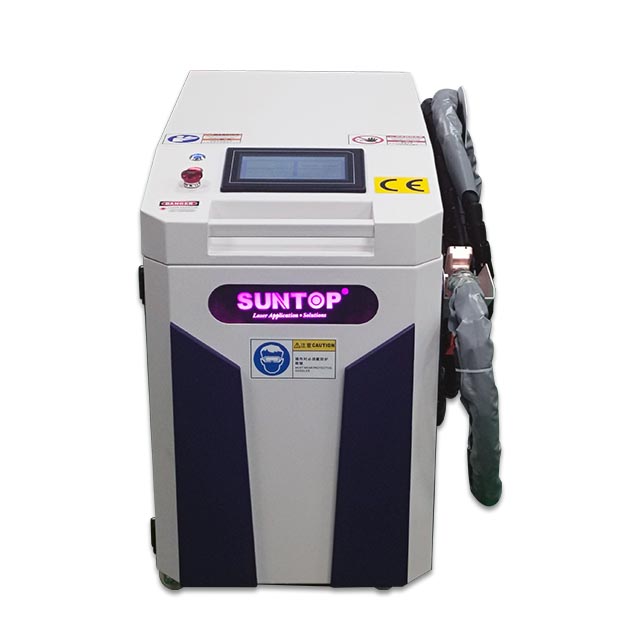
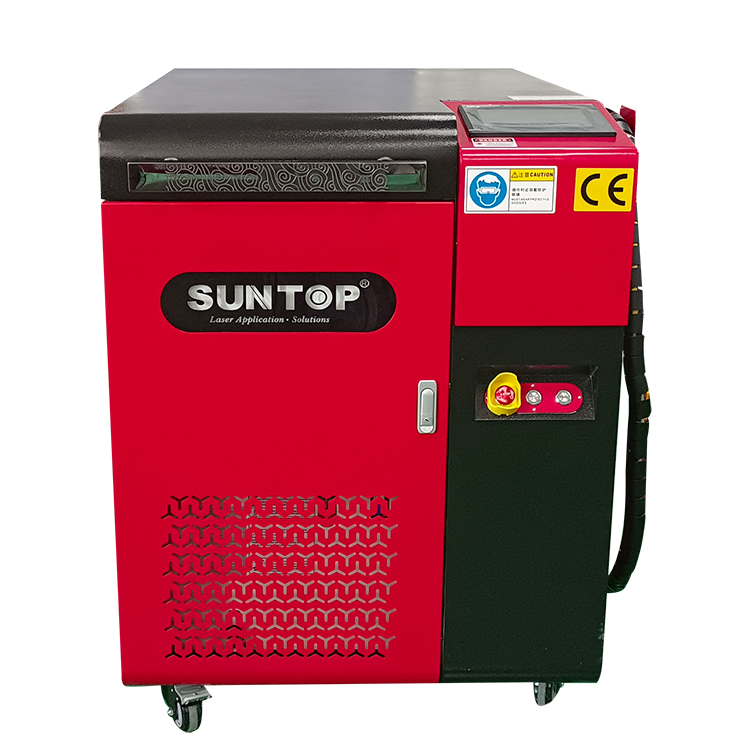
Laser rust removal is an advanced technology that uses high-energy laser beams to remove rust and dirt from metal surfaces. Its working mechanism is based on the photothermal effect of laser light. When laser beams irradiate a rusted surface, the laser energy is absorbed by the rust and oxides, instantly generating high temperatures. These temperatures can reach thousands of degrees Celsius, causing the rust to evaporate or ablate rapidly, thus achieving a highly efficient cleaning effect.
● High Efficiency: Laser rust removal can clean surfaces at extremely high rates, quickly removing rust and saving the time and labor required by traditional rust removal methods. Users can flexibly address the cleaning needs of different materials and degrees of rust by adjusting parameters such as laser power and pulse frequency.
● Environmental Friendliness: The laser rust removal process does not require the use of chemical cleaning agents or other harmful substances, reducing environmental pollution. Furthermore, laser cleaning does not generate wastewater or solid waste, complying with current environmental regulations and sustainable development goals.
● Non-Contact Processing: Laser cleaning machine is a non-contact cleaning method that does not cause physical damage or abrasion to the substrate. Traditional mechanical methods can result in scratches, dents, or abrasions on material surfaces, while laser cleaning maximizes the preservation of the substrate's integrity, ensuring effective cleaning while maintaining material properties.
Laser rust removal technology, with its high efficiency, environmental friendliness, and non-contact nature, has become an important option in modern industrial maintenance, meeting the growing demands for cleanliness and sustainable development.
Steel materials are widely used in construction, manufacturing, and heavy industry due to their excellent strength and toughness. However, steel is prone to corrosion in humid and oxidizing environments, leading to performance degradation and shortened service life. Laser rust removal technology can effectively remove oxides, rust spots, and various industrial contaminants from steel surfaces, restoring the metal's appearance and properties. Its efficient cleaning mechanism not only improves surface quality but also lays a good foundation for subsequent painting or processing. This makes laser rust removal an ideal choice for maintenance and upkeep in the steel industry.
When performing laser rust removal on steel materials, the following key factors should be considered to ensure optimal cleaning performance:
● Properly control laser power and speed: Laser power and processing speed are important parameters affecting rust removal effectiveness. Excessive laser power may melt or burn the steel, while insufficient power may fail to effectively remove rust. Therefore, during operation, the laser power and moving speed should be adjusted appropriately according to the degree of rust and the thickness of the steel to avoid the occurrence of a heat-affected zone (HAZ).
● Preheating is recommended: The degree and thickness of rust on the steel can affect laser removal efficiency. Proper preheating helps improve the effectiveness of laser rust removal. Moderately heating the steel reduces heat loss from tin and iron materials, improves the interaction between the laser and the material, and thus enhances rust removal efficiency.
The application of laser rust removal technology on steel materials, with its high efficiency and environmental friendliness, significantly improves the surface treatment effect of steel. In practice, by setting reasonable parameters and using preheating methods, the cleaning effect can be maximized, the service life of steel materials can be extended, and maintenance costs can be reduced. Click here for more information
Aluminum alloys are widely used in the automotive, aerospace, and electronics industries due to their lightweight, high strength, and excellent corrosion resistance. However, an oxide layer easily forms on the surface of aluminum alloys, which not only affects aesthetics but can also adversely impact material properties. Laser rust removal technology can effectively remove oxide layers and dirt from aluminum alloy surfaces, ensuring the integrity and conductivity of the material. By restoring the original surface condition of the aluminum alloy, laser rust removal creates a good foundation for subsequent processing and surface treatments (such as coating or electroplating).
Several key factors need special attention when performing laser rust removal on aluminum alloys to ensure the best results:
● Heat Sensitivity Control: Aluminum alloys are highly heat-sensitive, with a low melting point, making them prone to deformation or damage due to overheating. During laser rust removal, the laser power and processing time must be strictly controlled to avoid overheating and adverse effects on the aluminum alloy.
● Recommended Low Power, High Speed Settings: To reduce the risk of overheating, it is recommended to use a low power and high speed laser setting. This strategy effectively reduces the surface temperature of aluminum alloys, preventing material deformation while ensuring efficient removal of rust. By adjusting appropriate laser parameters, operators can maintain cleaning effectiveness while maximizing the protection of the aluminum alloy's properties.
Laser rust removal technology, with its high efficiency and environmental friendliness, provides excellent rust removal solutions for various industries when applied to aluminum alloys. Proper parameter settings and professional operation during implementation ensure the quality of aluminum alloy surface treatment, extend material lifespan, and improve the performance of the final product. Click here for more information
Copper, due to its excellent electrical conductivity and corrosion resistance, is widely used in electrical and electronic components, including cables, connectors, and circuit boards. Over time, an oxide layer and dirt may form on the copper surface, affecting not only aesthetics but also reducing conductivity. Laser rust removal technology can efficiently remove these oxides and impurities, thus protecting the conductivity of copper and ensuring product performance and reliability. Through laser cleaning, copper materials can be restored to their original smooth state, laying the foundation for the normal operation of electrical components.
When performing laser rust removal on copper materials, the following key factors need to be considered:
● Thermal Conductivity Control: Copper has relatively high thermal conductivity, and heat tends to concentrate on the material surface during laser treatment. Improper handling may lead to localized overheating and material damage. Therefore, it is recommended that operators move the laser head evenly during the rust removal process to ensure that the laser beam is evenly distributed on the material surface to avoid heat concentration.
● Selecting the Appropriate Laser Wavelength: Different materials have different absorption characteristics for laser wavelengths. For copper materials, selecting the appropriate laser wavelength is crucial to ensure optimal removal results. Generally, shorter wavelength lasers (such as 532nm or 1064nm fiber lasers) are more suitable for copper materials, effectively improving the removal efficiency of oxide layers.
The application of laser rust removal technology to copper materials can effectively remove surface oxides and dirt, protecting the conductivity and material properties of copper. By properly controlling laser parameters and selecting appropriate wavelengths, operators can achieve highly efficient rust removal while maintaining the quality of the copper material. This technology not only improves product performance but also provides a reliable solution for the electrical and electronics industries. Click here for more information
Laser rust removal technology is not only applicable to common materials such as steel, aluminum alloys, and copper, but is also widely used in other materials, such as stainless steel and magnesium alloys. The properties of different materials significantly affect the method and effect of laser treatment:
● Applicability: Stainless steel is widely used in the pharmaceutical, food, and chemical industries due to its excellent corrosion resistance and ease of cleaning. However, rust and contamination can still occur on stainless steel surfaces.
● Laser Rust Removal Effect: Laser rust removal can quickly remove surface rust and dirt, restoring the luster and clean surface of stainless steel, ensuring excellent performance in environments with strict hygiene requirements.
● Processing Characteristics: Stainless steel has good resistance to high temperatures, but excessive heat impact can still cause discoloration of the material surface. Therefore, it is necessary to properly control the laser power and speed during laser rust removal to avoid the heat-affected zone (HAZ).
● Applicability: Magnesium alloys are widely used in the aerospace and automotive industries due to their lightweight and high strength. However, magnesium alloys are prone to corrosion in humid environments, forming rust spots and oxide layers on the surface.
● Laser Rust Removal Effect: Laser rust removal technology can efficiently remove the oxide layer from the surface of magnesium alloys, restoring their original surface properties and maintaining the material's strength and toughness.
● Processing Characteristics: Magnesium alloys are highly heat-sensitive and easily deformed by laser heating. Therefore, low power and moderate processing speed should be selected during processing to minimize the heat-affected zone.
Laser rust removal technology has a wide range of adaptability and can effectively treat the characteristics of various materials. When processing different materials such as stainless steel and magnesium alloys, understanding their physical and chemical properties is crucial for selecting appropriate laser parameters. By optimizing laser settings, efficient cleaning can be achieved while ensuring material surface quality, thus meeting the needs of different industries. Click here for more information

When selecting a laser rust removal solution, it's crucial to first understand the material's properties, the degree of rust, and specific industrial requirements. Different metallic and non-metallic materials possess unique physical and chemical properties, influencing the effectiveness and safety of laser treatment. For example, steel is relatively tolerant of heat treatment, while aluminum and magnesium alloys, due to their high heat sensitivity, require more careful control of laser parameters. Furthermore, the degree of rust directly impacts the treatment strategy. For minor rust, low power and high speed settings are often used, while severe rust may require higher power and slower movement to ensure thorough rust removal without damaging the substrate.
Regarding industrial requirements, considering the cleanliness standards and subsequent processing needs of different sectors will help develop a more effective laser rust removal solution. For instance, the medical and food industries typically have strict regulations on surface cleanliness, while in the automotive and machinery manufacturing sectors, the adhesion and durability of surface treatments are equally important. Therefore, tailoring the laser rust removal solution to specific industry standards can maximize treatment results.
If you require professional technical consultation or assistance, please contact our team. We offer detailed material analysis, on-site assessments, and customized solutions to ensure you select the most suitable laser rust removal solution. With our professional support, you can effectively extend material lifespan and production efficiency while meeting various environmental and safety standards.
Laser rust removal technology, as a modern surface treatment method, demonstrates significant advantages in removing rust, dirt, and oxides from both metallic and non-metallic materials. Its high efficiency, environmental friendliness, and non-contact cleaning method allow it to achieve excellent cleaning results on various materials, including steel, aluminum alloys, copper, stainless steel, magnesium alloys, and plastics. With increasing demands for efficiency and environmental protection in industrial production, laser rust removal has become an ideal choice for many industries.
We encourage customers to actively consider laser rust removal technology when selecting material treatment solutions. This not only effectively improves cleaning efficiency and reduces maintenance costs but also ensures the integrity of material properties and excellent subsequent treatment results. By adopting laser rust removal technology, you will be able to meet various industrial standards while improving product quality and driving your business towards more efficient and sustainable development. If you have any needs or questions, please feel free to contact us; we are dedicated to providing you with professional support and advice.
Table of Contents1. Introduction
Table of Contents1. Introduction2. Overview of UV Laser Marking Machines3. Marking Effects on Different Materials3.1 Non-metallic Materials3.2 Metal Materials4. Advantages of UV Laser Marking5. Application Examples of UV Laser Marking6. Conclusion
Table of Contents1. Introduction