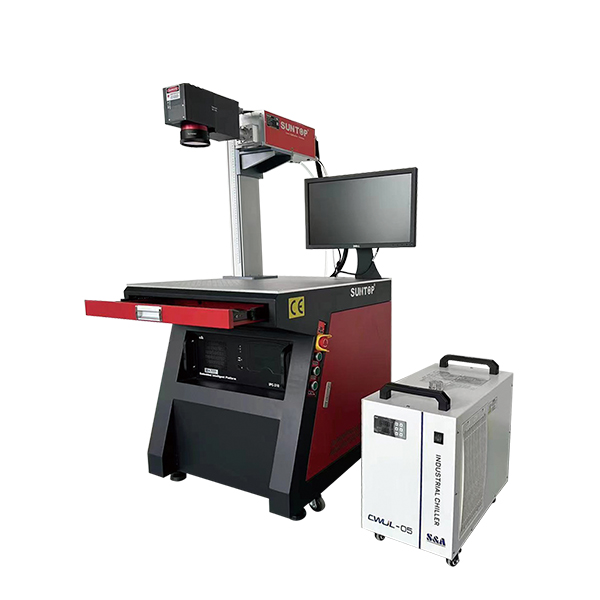
Marking Effects of UV Laser Marking Machines on Different Materials

Views: 79     Author: Site Editor     Publish Time: 2025-09-23      Origin: Site

Inquire

facebook sharing button
twitter sharing button
line sharing button
wechat sharing button
linkedin sharing button
pinterest sharing button
whatsapp sharing button
sharethis sharing button

Table of Contents

1. Introduction

2. Overview of UV Laser Marking Machines

3. Marking Effects on Different Materials

3.1 Non-metallic Materials

3.2 Metal Materials

4. Advantages of UV Laser Marking

5. Application Examples of UV Laser Marking

6. Conclusion


Introduction

UV laser marking machine utilizes ultraviolet laser technology to precisely mark various materials. Its operating principle is to illuminate the surface of a material with a high-energy laser beam, causing localized physical or chemical changes, resulting in a clear, durable mark. This technology is widely used in a variety of fields, including electronic product identification, medical devices, packaging, the automotive industry, and luxury goods customization.


UV laser marking is becoming increasingly important in modern industry. Its superior marking quality and efficiency enable companies to improve production processes while ensuring product traceability and brand recognition. Furthermore, UV lasers are environmentally friendly and pollution-free, meeting current sustainable development needs, leading to their adoption by a growing number of companies. Through UV laser marking, companies can not only increase the added value of their products but also gain a more competitive position in the market.

Overview of UV Laser Marking Machines

1. Working Principle

UV laser marking machines utilize a short-wavelength ultraviolet laser (typically 355 nanometers) to illuminate the surface of a material, achieving marking and engraving. The basic principle is that the high energy of the laser beam causes a transient high temperature on the material's surface, leading to physical or chemical changes. These changes alter the color, texture, or structure of the material, resulting in a distinct mark. Due to the laser's high precision and low heat-affected zone (HAZ), UV laser marking achieves clear, detailed results without damaging the substrate.


5
1
1
flying laser marking machine-1


2. Differences from Other Laser Marking Technologies

● Wavelength

UV lasers have a short wavelength (355 nanometers). Compared to other lasers (such as the 10.6 micrometer wavelength of CO2 lasers and the 1064 nanometer wavelength of fiber lasers), their energy is more concentrated, allowing them to better impact the surface of a material. They are particularly suitable for fragile or easily deformed materials.


● Heat-Affected Zone

Because UV lasers excite the material through light dispersion and focusing, the resulting thermal effect is relatively minimal, significantly reducing the HAZ. This means that the surrounding area of the material will not overheat during laser marking, preventing discoloration, deformation, or damage. This is particularly important when working with delicate or fragile materials.


● Applicable Materials

UV laser marking machines are suitable for nearly all materials, including a variety of non-metals (such as plastics, wood, acrylic, glass, and leather) and metals (such as stainless steel, brass, aluminum, and carbon steel). Other laser technologies may not be as effective as UV lasers on certain materials.


● Marking Results

UV lasers enable highly precise and detailed marking, often with high contrast and durability, which is particularly important in industrial labeling and personalization.


Due to their unique operating principles and advantages, UV laser marking machines demonstrate superior performance in processing and marking a wide range of materials, making them an indispensable tool in modern industry. Click here for more information

Marking Effects on Different Materials

1. Non-metallic Materials

● Plastic

Marking Results: UV laser marking creates high-contrast, clear, and durable marks on plastic surfaces. These marks are highly resistant to environmental factors (such as temperature fluctuations and sunlight) and are not easily faded, making them ideal for applications such as product identification, barcodes, and QR codes.


● Wood

Marking Results: UV lasers can create detailed engravings on wood, preserving the wood's natural grain. They can be processed with minimal heat damage, thus not affecting the wood's texture. This makes UV laser marking ideal for customizing high-end furniture, artwork, and personalized gifts.


● Acrylic

Marking Results: UV laser marking produces a distinct color change on acrylic, making it suitable for marking intricate patterns. The outlines of the marked pattern or text are very clear, making it ideal for use on displays, signage, and advertising materials, where the visual effect is striking.


● Glass

Marking Results: UV laser marking on glass does not physically damage the surface, ensuring a pristine surface. Laser etching can create fine markings such as patterns, text, or emblems, widely used on wine bottles, trophies, and art glass, while maintaining the material's transparency and gloss.


● Leather

Marking Effect: UV lasers can leave clear, wear-resistant marks on leather surfaces, making them ideal for personalized designs and branding on products like handbags and belts. This marking is both aesthetically pleasing and durable, maintaining its clarity over extended use.


2. Metal Materials

● Stainless Steel

Marking Effect: UV laser marking on stainless steel produces high-contrast black and white markings. Its corrosion resistance makes it suitable for use in harsh environments and is widely used in medical devices, kitchenware, and industrial equipment.


● Brass

Marking Effect: UV laser marking on brass also creates a black and white contrast effect, resulting in vibrant, clearly visible markings. Its detailed marking capabilities make it ideal for jewelry, precision instruments, and luxury goods.


● Aluminum

Marking Effect: UV laser marking on aluminum quickly and efficiently produces black and white markings, resulting in exceptional detail. Its long-lasting and wear-resistant markings are widely used in the electronics, aerospace, and automotive industries.


● Carbon Steel

Marking Results: UV laser marking on carbon steel produces durable, clear marks, making it suitable for industrial environments. Its high durability and wear resistance ensure that the mark will not fade over time, making it extremely effective for markings such as batch numbers and serial numbers.


UV laser marking machines offer excellent marking results on a variety of materials, meeting the needs of a wide range of industrial applications. They demonstrate significant advantages in terms of fine engraving, durable marking, high contrast, and visual appeal, promoting brand recognition and improving product quality across a wide range of industries. Click here for more information

Application Examples of UV Laser Marking

UV laser marking technology is widely used across multiple industries due to its unique characteristics and advantages. The following are its key advantages:


1. Fast and Efficient Production Capabilities

High Speed: UV laser marking machines can mark at extremely high speeds, significantly improving production efficiency. This allows companies to mark large quantities of products in a shorter time, meeting the demands of rapid production.

Automation: Modern UV laser marking equipment is typically highly automated, seamlessly integrating with production lines, further improving production efficiency and reducing manual intervention, thereby minimizing the risk of human error.


2. High-Precision Marking Quality

Complex Pattern Capability: UV laser marking can achieve extremely detailed and complex marking effects, including fonts, patterns, and QR codes, ensuring clear, visible, and durable markings.

Minimal Heat-Affected Zone: Due to the short wavelength of UV lasers, the heat-affected zone on the material surface is minimal, effectively preventing discoloration or deformation, thereby enhancing the aesthetics and accuracy of the final marking.


3. Environmentally friendly and pollution-free process

No chemical agents: UV laser marking does not require the use of chemical reagents or solvents, meaning no harmful substances are produced during the production process, making it environmentally friendly.

Low energy consumption: Compared to traditional marking methods (such as thermal transfer or inkjet printing), UV laser marking offers significant energy savings, reducing overall energy consumption.

Reduced material waste: UV laser technology only processes the surface of the material, minimizing the material loss common in traditional processes and lowering production costs.


UV laser marking technology, with its fast and efficient production capacity, high-precision marking quality, and environmentally friendly and pollution-free process, has become the preferred marking solution for the modern manufacturing industry. With continued technological advancement, UV laser marking is poised to demonstrate greater potential for application in even more areas. Click here for more information

Advantages of UV Laser Marking

UV laser marking, with its high precision, high speed, and environmentally friendly characteristics, has been widely used in various industries.


1. Electronics: Mobile phone cases, electronic components, computer accessories, etc.

Marking electronic product cases and internal components with serial numbers, barcodes, and brand logos ensures product traceability and anti-counterfeiting. UV laser marking also does not damage the hardware.


2. Medical Devices: Surgical instruments, syringes, and medical equipment surfaces.

Marking medical devices with product information, manufacturing dates, and batch numbers ensures safety and identification. The non-contact and non-destructive nature of UV lasers ensures the hygiene and reliability of medical devices.


3. Packaging: Food packaging, cosmetics packaging, and pharmaceutical packaging.

Used for labeling and anti-counterfeiting labels on product packaging, including information such as product ingredients, instructions for use, and expiration dates, helps enhance brand image and consumer trust.


4. Luxury and personalized goods: Watches, jewelry, and custom leather goods. UV lasers can be used to create personalized markings on luxury goods, such as lettering, patterns, and brand logos, to meet customer customization needs and add value.

5. Industrial Manufacturing

Application Examples: Tools, machinery, and parts.

Description: Marking industrial products with product models, serial numbers, and barcodes ensures traceability during production and use, complying with industry standards and regulations.

6. Arts and Crafts

Application Examples: Wood carvings, acrylic decorations, and photo engraving.

Description: UV laser marking can create fine engravings on a variety of materials (such as wood, acrylic, and metal), creating unique artistic effects and meeting consumers' personalized needs.

7. Automotive Industry

Application Examples: Automotive parts, dashboards, and body logos.

Description: Marking logos and serial numbers on automotive parts facilitates recordkeeping and traceability. The corrosion resistance of UV lasers ensures label durability in extreme environments.


Due to its high efficiency, precision, and environmentally friendly characteristics, UV laser marking has been widely used in numerous fields. From electronics to medical devices, from personalized products to industrial manufacturing, UV laser marking provides high-quality marking solutions for various industries. As technology continues to advance, more innovative application examples are expected to emerge in the future. Click here for more information

Conclusion

UV laser marking machines, with their superior marking capabilities and adaptability, demonstrate broad application potential across a wide range of materials. From non-metallic materials like plastic, wood, acrylic, glass, and leather to various metals like stainless steel, brass, aluminum, and carbon steel, UV laser marking can achieve high-contrast, detailed, and durable marks. This makes UV laser marking technology suitable for diverse industries, including electronics, medical, packaging, luxury goods, automotive, and industrial manufacturing.


Using UV laser marking technology not only enhances product quality and added value, but also strengthens brand recognition and market competitiveness. Furthermore, its environmentally friendly and efficient nature makes this technology consistent with the sustainable development requirements of modern businesses. With the continuous advancement of technology and the gradual reduction of costs, we encourage more industries and businesses to consider adopting UV laser marking technology to improve production efficiency and product quality, enhance customer satisfaction, and strengthen brand value.


In the future, the application of UV laser marking technology will become even more extensive, which will undoubtedly drive innovation and development in various industries, creating greater business opportunities and market space for enterprises.

Leave a Message
Contact us
More than 10 precision production line, easy to realize large quantities of goods, to provide you with the best price.
Contact Us
  No 317, Mu Dong RD, Wu Zhong DIST, Suzhou City, Jiangsu Province, China
 info@suntoplaser.com
  +86 13771746401

Products

Home
© 2023 Suzhou Suntop Laser Technology Co., Ltd  All rights reserved.