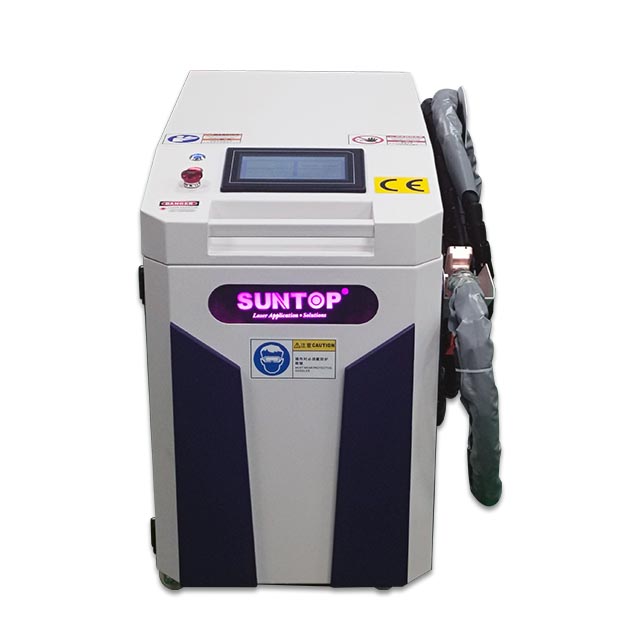
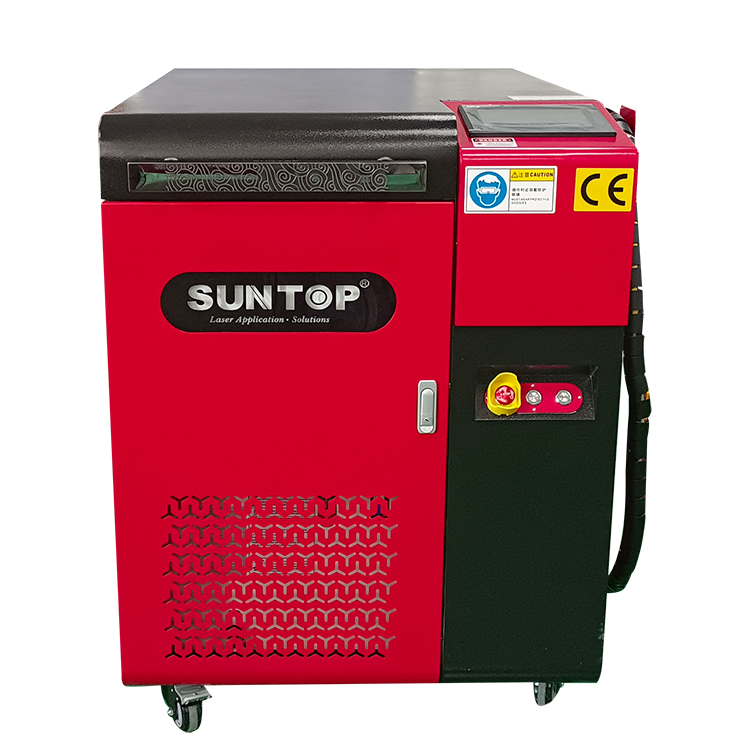
Can Laser Cleaning Machines Effectively Remove Specific Types of Contaminants, Such As Oil, Rust, Or Coatings?

Views: 32     Author: Site Editor     Publish Time: 2025-10-03      Origin: Site

Inquire

facebook sharing button
twitter sharing button
line sharing button
wechat sharing button
linkedin sharing button
pinterest sharing button
whatsapp sharing button
sharethis sharing button

Table of Contents

1. Introduction

2. Fundamental Principles of Laser Cleaning

3. Types of Contaminants and Laser Cleaning Effectiveness

4. Advantages and Limitations of Laser Cleaning

5. Market Prospects and Development Trends

6. Conclusion


Introduction

Laser cleaning technology is an emerging method that utilizes high-energy laser beams to remove contaminants from object surfaces. By focusing the laser beam onto the target surface, the laser energy rapidly heats the contaminants, causing them to evaporate, decompose, or be directly disintegrated. This enables effective removal of various contaminants such as oil stains, rust, and coatings. This technology offers advantages of high efficiency, precision, and no secondary pollution, making it increasingly prominent across numerous industries.


As industrialization accelerates, surface cleaning has become increasingly critical in manufacturing, maintenance, and restoration. Traditional cleaning methods often involve chemicals, mechanical abrasion, or high-pressure water jets, which may cause material damage, environmental pollution, or safety hazards. Laser cleaning machines offer an environmentally friendly and efficient solution to these challenges. Laser cleaning machines not only precisely remove specific types of contaminants but also protect substrate surfaces due to their non-destructive nature, thereby extending equipment lifespan. Consequently, laser cleaning technology is increasingly becoming the preferred cleaning choice across numerous industries, playing a significant role in advancing equipment maintenance, restoration, and refurbishment processes.

Fundamental Principles of Laser Cleaning

1. Working Principle

Laser cleaning is a technology that removes surface contaminants by irradiating material surfaces with high-energy laser beams. Its fundamental principle involves precisely heating target contaminants using the laser's high energy density, causing them to evaporate or decompose. During this process, the laser beam is focused onto the surface to be cleaned. By controlling the laser's power, pulse frequency, and scanning speed, efficient removal of various contaminants can be achieved. The operation of a laser cleaning machine involves the following steps:

Laser Emission: The laser equipment generates a highly concentrated beam and directs it onto the target surface.

Photo-Thermal Conversion: The laser beam is absorbed by the contaminant surface, converting into thermal energy that rapidly heats the contaminants.

Contaminant Evaporation and Dispersal: When the contaminant temperature reaches its evaporation or decomposition point, it begins to vaporize. The high intensity of laser energy also breaks the bond between the contaminant and the substrate, effectively removing the contaminant.

Cleaning Completion: After appropriate laser irradiation, surface contaminants are removed, leaving a clean substrate surface.


4
Laser cleaning machina-4
Handheld laser cleaning machine (2)


2. Mechanism of Laser Action on Different Contaminants

Laser cleaning technology can handle various types of contaminants, each exhibiting distinct reaction mechanisms under laser irradiation:

Oil Contamination: Typically composed of hydrocarbons, oil contamination rapidly evaporates when heated by laser cleaning. When the laser beam focuses on the oil surface, it quickly absorbs the laser energy and converts into gas, achieving removal.

Rust: Primarily iron oxides, rust layers rapidly heat and vaporize under laser energy. Simultaneously, the laser pressure disintegrates the rust particles, achieving removal. Since rust bonds weakly to substrates, the underlying material remains largely unaffected.

Coatings: Coatings (such as paint or powder coatings) are typically robust. Laser cleaning precisely adjusts laser parameters to deliver sufficient energy to disrupt the bond between the coating and substrate. Simultaneously, the coating's surface is rapidly heated, causing it to decompose or vaporize, ultimately achieving removal.


Through these mechanisms, laser cleaning demonstrates exceptional effectiveness in removing diverse contaminants. It is both highly efficient and environmentally friendly, as it avoids chemical agents or physical abrasion, preventing secondary pollution. Consequently, it has gained widespread adoption in industrial cleaning applications. Click here for more information

Types of Contaminants and Laser Cleaning Effectiveness

1. Oil Contamination

Formation and Impact of Oil Contamination

Oil contamination typically originates from lubricants in machinery and residual greases in industrial production. Long-term accumulation not only impairs equipment operation but also leads to overheating, accelerated wear, and potential safety hazards. Therefore, regular oil cleaning is essential for maintaining equipment performance and extending service life.


How do handheld laser cleaning machines deal with various types of oil stains samples8-Suntop
How do handheld laser cleaning machines deal with various types of oil stains samples3-Suntop
How do handheld laser cleaning machines deal with various types of oil stains samples1-Suntop


Effectiveness of Laser Removal

Laser cleaning focuses the beam onto oil-contaminated surfaces, rapidly generating high temperatures that vaporize the contaminants. The oil rapidly absorbs energy under laser irradiation, converting into gas to achieve removal. The high precision of laser cleaning ensures no damage to the machinery itself, which is particularly crucial for equipment maintenance.


Case Studies and Experimental Results

In an automotive manufacturing plant experiment, laser cleaning equipment was used to remove accumulated oil residue. Results demonstrated cleaning efficiency surpassing traditional chemical methods, with no chemical residues left on the metal surfaces post-cleaning—meeting industry standards. Additionally, studies indicate that equipment performance significantly improved after laser cleaning, with reduced failure rates.


2. Rust

Impact of Rust on Metal Surfaces and Structures

Rust primarily forms as iron oxide on metal surfaces through oxidation reactions. Its presence not only compromises aesthetics but also weakens metal strength and overall structural integrity. Rust accumulation can cause metal material embrittlement, reduce fatigue strength, and in severe cases, compromise equipment safety and service life.


Can a laser rust remover effectively remove rust spots and oxides from metal surfaces samples7-Suntop
Can a laser rust remover effectively remove rust spots and oxides from metal surfaces samples6-Suntop
Can a laser rust remover effectively remove rust spots and oxides from metal surfaces samples3-Suntop


Effectiveness of Laser Cleaning Machines in Rust Removal

Laser cleaning machines precisely focus laser energy onto rust deposits, rapidly heating and vaporizing them. Simultaneously, the pulsed pressure generated by the laser effectively dislodges the rust layer while preserving the integrity of the base material. This non-contact cleaning method avoids physical damage that may occur with traditional cleaning techniques.


Practical Application Cases and User Feedback

In an engineering maintenance project, rust on workpiece surfaces was successfully removed using a laser cleaning machine, restoring joints to their original condition. User feedback indicated that compared to traditional methods like sandblasting, laser cleaning proved not only more effective but also eliminated the need for additional post-cleaning treatment, saving both time and costs.


3. Coatings

Characteristics of Various Coatings (e.g., Paint, Powder Coatings)

Coatings are typically composed of different materials designed to provide corrosion protection, enhance aesthetics, or improve wear resistance. However, over time, coatings may exhibit issues such as peeling, flaking, or discoloration, causing unnecessary damage to the substrate. Common coatings include paint, powder coatings, thermal spraying, etc., each possessing specific properties and application domains.


Can laser cleaning completely remove oxides from metal surfaces samples7-Suntop
Can laser cleaning completely remove oxides from metal surfaces samples4-Suntop
Can laser cleaning completely remove oxides from metal surfaces samples2-Suntop


Applicability and Advantages of Laser Cleaning for Coating Removal

Laser cleaning technology leverages the high energy of lasers to effectively remove various coating types. By precisely adjusting laser power and frequency, the energy can sufficiently decompose or vaporize coatings without damaging the underlying substrate. This makes laser cleaning an optimal method for coating removal, particularly when preserving substrate integrity is essential.


Comparison of Removal Effects on Different Material Coatings

Tests on various coating types reveal that laser cleaning achieves remarkable results on traditional paint coatings, enabling complete removal within a short timeframe. For powder coatings, although removal takes slightly longer, the high efficiency and pollution-free nature of laser cleaning still garnered positive reviews. Furthermore, laser cleaning demonstrates excellent adaptability and effectiveness on new eco-friendly coatings, showing great promise for removing functional coatings.


Overall, laser cleaning technology demonstrates outstanding effectiveness and application potential in removing oil stains, rust, and various coatings. Its high efficiency, environmental friendliness, and non-destructive nature position it to play an increasingly vital role in industrial cleaning, becoming the preferred solution for diverse cleaning requirements. Click here for more information

Advantages and Limitations of Laser Cleaning

1. Advantages Over Traditional Cleaning Methods

Environmental Friendliness

Laser cleaning is a green cleaning technology that does not require chemical detergents or solvents, thereby eliminating the production of harmful chemical waste and pollution. This makes laser cleaning an ideal choice for cleaning applications in today's society, where environmental regulations are increasingly stringent.


High Efficiency

Laser cleaning typically operates faster than conventional methods, completing tasks in minimal time. The high energy density of the laser beam rapidly removes surface contaminants, significantly boosting productivity. Unlike chemical cleaning, which requires soaking and waiting periods, laser cleaning enables real-time processing, saving production time.


Precision

Laser cleaning precisely controls energy output and beam placement, effectively removing contaminants while minimizing damage to the substrate. This precision makes laser cleaning superior for handling complex shapes and sensitive materials, whereas traditional methods like mechanical cleaning may cause scratches or surface damage.


Non-Destructive Cleaning

Laser cleaning employs a non-contact approach, preventing physical abrasion of the object's surface. This is particularly crucial for high-value components requiring surface integrity preservation.


Versatility

Laser cleaning can handle diverse contaminants including oil stains, rust, coatings, and more, while being suitable for various materials (e.g., metals, plastics, ceramics). This flexibility enables its widespread application across multiple industries.


2. Scope of Application and Specific Limitations

Material Compatibility

Laser cleaning is not suitable for all materials. For instance, certain heat-sensitive materials (like plastics and some composites) may experience excessive heat generation from the laser, leading to deformation or damage. Additionally, soft coatings may be scorched rather than completely removed during the process. Therefore, material compatibility must be assessed before employing laser cleaning.


Cleaning Effectiveness Limited by Contaminant Type

While laser cleaning removes various contaminants, its effectiveness may be limited against certain stubborn stains or thick coatings. In such cases, adjusting laser parameters or increasing cleaning cycles may be necessary, thereby raising costs and extending processing time.


Higher Initial Equipment Investment

The purchase and maintenance costs of laser cleaning equipment are relatively high, potentially burdensome for small businesses or individual cleaning tasks. Therefore, traditional cleaning methods may be more appealing for small-scale cleaning projects or low-budget applications.


While laser cleaning demonstrates significant advantages in environmental friendliness, efficiency, precision, and non-destructive processing, it also faces specific limitations such as material compatibility, contaminant removal effectiveness, and initial investment costs. However, with ongoing technological advancements and decreasing costs, the application scope of laser cleaning will continue to expand, positioning it as a key future development direction for the cleaning industry. Click here for more information

Market Prospects and Development Trends

Laser cleaning machines hold significant market potential in the manufacturing, repair, and maintenance sectors. With the advancement of industrial automation and intelligent manufacturing, enterprises increasingly demand efficient equipment maintenance and cleaning solutions. Laser cleaning technology, characterized by its high efficiency, environmental friendliness, and precision, is emerging as a cost-effective cleaning solution. In the manufacturing industry, laser cleaning machines are widely used to remove oil stains, rust, and coatings from metal surfaces, ensuring optimal equipment performance and extending service life. Furthermore, within the repair and maintenance sector, laser cleaning technology enables non-destructive cleaning of sensitive and complex components, opening new avenues for equipment restoration and upkeep.


Technological advancement is a key driver of the laser cleaning market's growth. The emergence of new laser types, such as fiber lasers and solid-state lasers, has not only enhanced laser energy output and beam quality but also reduced equipment energy consumption and maintenance costs. These advancements grant laser cleaning machines greater adaptability and efficiency when handling diverse contaminants. Concurrently, developments in intelligent control systems enable laser cleaning machines to precisely adjust laser parameters to suit the cleaning requirements of different materials, further enhancing operational convenience and safety. As technology continues to innovate and prices become increasingly accessible, the market acceptance of laser cleaning equipment will steadily rise. Its application scope will also expand into more industries, including construction, aerospace, and automotive sectors.


Laser cleaning machines will play an increasingly vital role in future manufacturing, maintenance, and repair industries. Technological advancements have endowed them with heightened efficiency and flexibility, establishing them as a mainstream choice in modern cleaning applications. Driven by growing market demand and ongoing technological refinement, laser cleaning machines are poised for broader adoption across industries, propelling the entire cleaning sector toward more efficient and environmentally sustainable practices.

Conclusion

Laser cleaning machines demonstrate exceptional effectiveness in removing specific contaminants such as oil stains, rust, and coatings. By focusing a high-energy laser beam, laser cleaning rapidly and efficiently eliminates various complex contaminants. Oil stain removal is not only highly efficient and environmentally friendly but also avoids damaging the substrate. For rust removal, laser cleaning technology effectively restores the integrity of metal surfaces, preventing further corrosion and damage. For coating removal, laser cleaning precisely eliminates unwanted coatings without affecting the substrate, ensuring flexibility and adaptability in cleaning operations. These advantages make laser cleaning technology increasingly favored in manufacturing, maintenance, and repair industries, establishing it as a vital component of modern cleaning solutions.


Looking ahead, laser cleaning technology holds immense potential for development. With continuous advancements in laser technology, cleaning equipment is expected to improve in efficiency, cost-effectiveness, and user-friendliness. Furthermore, advancements in intelligence and automation will enhance the flexibility of laser cleaning machines, enabling them to handle more complex cleaning tasks and meet diverse industry demands. Beyond traditional industrial applications, laser cleaning technology may expand into broader scenarios such as building surface cleaning, artwork preservation, and environmental remediation. As environmental protection and sustainability requirements intensify, laser cleaning will play an increasingly vital role, providing efficient and eco-friendly solutions for modern industrial processing and maintenance.

Leave a Message
Contact us
More than 10 precision production line, easy to realize large quantities of goods, to provide you with the best price.
Contact Us
  No 317, Mu Dong RD, Wu Zhong DIST, Suzhou City, Jiangsu Province, China
 info@suntoplaser.com
  +86 13771746401

Products

Home
© 2023 Suzhou Suntop Laser Technology Co., Ltd  All rights reserved.