Views: 72 Author: Site Editor Publish Time: 2025-10-15 Origin: Site
2. Technical Features of Laser Rust Removal Machines
3. Designed to Adapt to Complex Environments
4. Multi-Scenario Applications
5. User Feedback and Success Stories
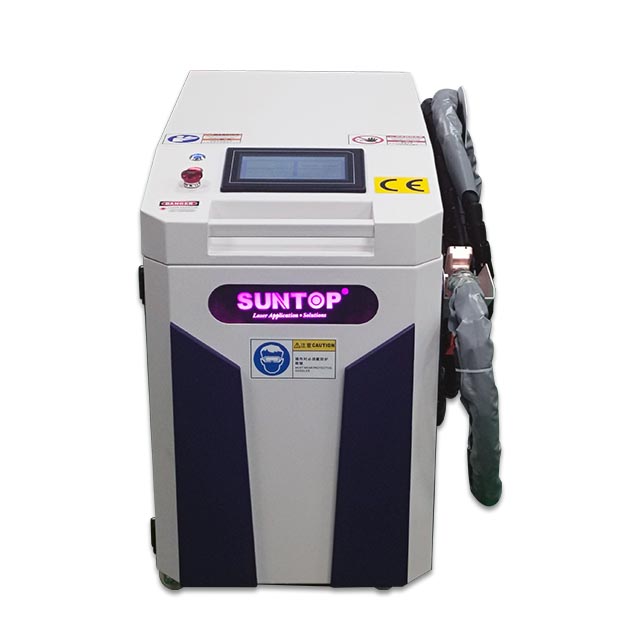
Laser rust removal machines are advanced devices that utilize high-powered laser beams for surface cleaning. They operate by irradiating metal surfaces with laser light, rapidly evaporating or removing oxides, rust, and dirt, achieving non-destructive cleaning. This cleaning method is not only highly efficient and environmentally friendly, but also effectively extends the lifespan of equipment and workpieces. As industrial production evolves towards higher efficiency and environmental friendliness, laser rust removal technology is becoming increasingly important in various manufacturing and maintenance fields, offering an ideal alternative to traditional cleaning methods.
In many industrial environments, operating conditions are often complex and variable, potentially facing challenges such as extreme temperatures, humidity, dust, and chemical corrosion. Therefore, maintaining the efficient performance of laser rust removal machines in these challenging environments has become a pressing issue within the industry. This article will explore the design features, technical advantages, and adaptability of laser rust removal machines to adverse conditions, aiming to help users understand the effective application of this technology in challenging environments.
Laser rust removal machine possess several unique technical features that excel in cleaning and rust removal.
1. High-Energy Laser Beam
Laser rust removal machines utilize a high-energy laser beam, concentrating the laser energy on a small area to rapidly heat the target surface. Due to the laser's high intensity and precision, it rapidly breaks down surface rust, dirt, and other oxides without damaging the substrate. This is particularly important when working with delicate components, ensuring optimal cleaning results while protecting the integrity of the workpiece.
2. Precision Control System
Laser rust removal machines are equipped with an advanced control system that allows the operator to adjust the laser power, frequency, and spot size based on the material and dirt type. This precise control enables the machine to intelligently adjust to cleaning needs, improving efficiency and ensuring cleaning quality. Furthermore, the precise control system enables automated operation, enhancing overall production efficiency.
3. Protective Structure
Laser rust removal machines are designed with a focus on protection, typically offering dustproof, waterproof, and corrosion-resistant features. This protective structure enables the equipment to operate continuously and stably in harsh industrial environments, protecting the machine from external environmental factors and extending its service life and stability.
4. Mobility and Flexibility
Laser rust removal machines are designed to be portable or modular, making them easy to operate in various locations. This mobility allows them to be used in confined or hard-to-reach workstations, making them particularly suitable for outdoor cleaning or cleaning large equipment. This flexibility makes laser rust removal machines widely applicable in various industries, including automotive, aviation, construction, and manufacturing.
5. Real-Time Monitoring and Feedback System
Some high-end laser rust removal machines are equipped with real-time monitoring systems that monitor laser power and cleaning performance and provide feedback. This system allows for timely adjustment of laser parameters during the cleaning process, ensuring consistent and efficient cleaning results and reducing the need for manual intervention.
6. Environmental Protection and Sustainability
Laser rust removal technology does not require chemical cleaning agents, significantly reducing environmental pollution and operational risks. The cleaning process does not generate significant waste, supporting the company's sustainable development strategy. Therefore, laser rust removal machines not only provide an efficient cleaning method but also meet the urgent environmental protection needs of modern industry.
Laser rust removal machines, with their high-energy laser beams, precise control systems, excellent protection features, and flexible operation, have become essential equipment in modern industrial cleaning. These technical features enable laser rust removal machines to operate efficiently in complex environments, meeting the stringent cleaning quality and efficiency requirements of various industries.

When designing laser rust removal machines, considering the diversity and challenges of industrial environments, adaptability is crucial. The following are two key design features that ensure efficient performance in complex environments: protective structure and ease of mobility.
1. Protective Structure
The protective structure of a laser rust removal machine is crucial for ensuring stable operation in harsh environments. Specific features include:
● Dust-proof Design: The machine body features a compact design with filters and dust covers to effectively prevent dust, particulate matter, and other impurities from entering the machine. This not only prevents contamination of optical components, but also reduces equipment failure rates and extends its service life.
● Waterproof Performance: Many laser rust removal machines are specially treated to be waterproof, allowing them to operate safely in humid environments or even in the presence of occasional water. Waterproof design is typically classified by IP rating to ensure the machine's reliability in a variety of operating conditions.
● Corrosion-Resistant Materials: The machine housing and key components are constructed of corrosion-resistant materials such as stainless steel or coated to resist attack by acids, alkalis, and other corrosive substances. This design enhances the equipment's suitability in industries like the petrochemical industry, preventing damage caused by harsh environments.
This protective structure allows the laser rust removal machine to operate stably and long-term in a variety of complex and demanding industrial environments, ensuring factory cleanliness and equipment maintenance.
2. Portability
The laser rust removal machine's mobile design allows for quick relocation in a variety of application scenarios, enhancing operational flexibility.
● Portable Design: Many laser rust removal machines feature a lightweight and compact design, equipped with wheels or carrying handles for easy transportation and mobility. This allows operators to easily move the machine from one workstation to another without the need for additional tools or equipment.
● Flexible Working Range: The laser rust removal machine can operate in confined or hard-to-reach areas. Its compact size and adjustable laser head design allow for efficient cleaning in complex environments such as equipment cavities, cylindrical workpieces, and stairways, maximizing space utilization.
● Quick Setup and Disassembly: Some laser rust removal machines are modular in design, enabling rapid setup and disassembly, reducing equipment downtime. Even at temporary work sites, operators can quickly set up the equipment, ensuring continuous work.
This design enables the laser rust removal machine to not only meet the cleaning needs of businesses in various environments, but also improves operational efficiency, reduces labor costs, and provides users with a more convenient experience.
Laser rust removal machines, with their superior cleaning capabilities and adaptability, are widely used in diverse environments across multiple industries.
1. Industrial Production Lines
Laser rust removal machines are particularly effective in complex environments such as heavy industry and the petrochemical industry. Their key advantages include:
● Heavy Industry Applications: In steel and aluminum smelters, equipment and tools are susceptible to rust and dirt accumulation in high-temperature and chemically corrosive environments. Laser rust removal machines can quickly and efficiently remove these contaminants, ensuring the proper operation and productivity of the equipment. For example, laser cleaning can be used in the maintenance of large presses, casting equipment, and conveyor belts, ensuring these heavy equipment remains in good condition and minimizing downtime.
● Petrochemical Industry: On oil platforms and refineries, equipment is frequently exposed to salt spray, chemicals, and extreme weather, making it susceptible to rust and corrosion. Laser rust removal machines can effectively operate in these harsh environments, cleaning critical components such as oil storage tanks, pipes, and valves. The cleaning process is not only fast and effective, but also prevents environmental contamination from chemical cleaning agents, improving operational safety.
2. Outdoor Operations
Laser rust removal system's superior performance also applies to outdoor operations, particularly in open-air or high-humidity environments, as demonstrated below:
● Outdoor Cleaning: The laser rust removal system's protective design protects it from dust, rain, and moisture, making it suitable for outdoor use. For example, in the cleaning and maintenance of bridges, towers, and other outdoor structures, the laser rust removal system effectively removes rust and dirt, ensuring the safety and aesthetics of the structures. Whether operating upright or suspended, the laser cleaning system can be adjusted to meet specific needs, maintaining high efficiency.
● High-Humidity Environments: In high-humidity environments, such as coastal areas or humid chemical plants, traditional cleaning methods can lead to increased corrosion due to the reaction between moisture and chemical cleaning agents. Laser rust removal, with its chemical-free cleaning method, avoids this problem. In these environments, the laser rust removal system not only demonstrates excellent cleaning capabilities, but also improves equipment durability and reduces maintenance costs.
The laser rust removal system's diverse application scenarios demonstrate its flexibility and efficiency in diverse industrial environments. Whether in harsh industrial production lines or in changing outdoor working environments, laser rust removal technology has demonstrated its unique advantages, providing companies with efficient and environmentally friendly cleaning solutions.
Laser rust removal machines have been widely praised across various industries. The following are some successful cases that demonstrate their effectiveness and customer satisfaction in complex environments.
1. Automobile Manufacturing Plant Case Study
At a large automobile manufacturing plant, laser rust removal machines are used to clean body frames and components. The plant faced problems with metal rust and oil contamination, which not only hampered production efficiency but also increased the difficulty of subsequent processing. By introducing laser rust removal technology, the plant was able to efficiently remove rust and dirt in a short period of time. User feedback indicates that the laser equipment significantly reduced cleaning time, ensured the quality of the body frames, and ultimately improved the overall efficiency of the production line. The plant's quality inspection department was also satisfied with the cleaning results, believing that it ensured product consistency and reliability.
2. Petrochemical Company Case Study
A petrochemical company uses laser rust removal machines on its site, primarily for cleaning large oil storage tanks and pipelines. Due to the harsh chemicals and extreme humidity in the environment, traditional cleaning methods could not meet the stringent cleaning standards. The introduction of laser rust removal machines has made tank cleaning simpler and more efficient, completely eliminating rust and accumulated dirt. The client stated that laser cleaning not only shortened cleaning cycles but also reduced exposure risks to personnel, complying with the company's environmental protection requirements. This successful case study has taken the company a significant step forward on its path to sustainable development while also enhancing employee safety awareness.
3. Bridge Maintenance Project Case Study
In a city bridge maintenance project, a laser rust removal machine was used to clean the bridge structure, removing years of rust and dirt. Located in a coastal area, the bridge faces severe salt spray erosion. Using laser technology, the maintenance team was able to quickly and effectively clean individual bridge components without disassembly or the use of chemical cleaning agents. The client reported that this not only improved maintenance efficiency but also reduced the impact of construction on traffic. The municipal authorities highly recognized the success of this cleaning project and plan to continue using laser rust removal technology in future maintenance projects.
4. Customer Satisfaction Survey
According to a satisfaction survey of customers who used laser rust removal machines, over 90% expressed high satisfaction with the laser cleaning results. They stated that the equipment performed exceptionally well in complex environments, significantly improving the surface finish after cleaning. Customers generally report that laser rust removal machines are easy to operate, require minimal maintenance, and significantly reduce the risks and costs associated with chemical cleaning, effectively meeting their cleaning needs.
The successful application of laser rust removal machines in various environments and their positive customer feedback fully demonstrate their importance in the industrial cleaning field. In the future, with continued technological advancements and expanding applications, laser rust removal machines are poised to bring success and value to even more companies.
The importance of laser rust removal machines maintaining efficient performance in complex environments is self-evident. Across a wide range of applications, including heavy industry, petrochemicals, and outdoor operations, this equipment, with its efficient, precise, and environmentally friendly cleaning capabilities, has helped companies address long-standing issues of rust and contamination. This not only improves production efficiency and reduces operational risks, but also, to a certain extent, promotes the sustainable development of the entire industry. The introduction of laser rust removal technology has made industrial cleaning more efficient and economical, meeting the urgent needs of modern manufacturing for cleanliness, safety, and environmental protection.
With the continuous advancement and innovation of laser technology, the laser cleaning field will usher in more development trends in the future. First, equipment miniaturization and intelligence will become the main trends, and more flexible designs and advanced control systems will further enhance the user experience. Furthermore, higher-power laser sources and more advanced optical designs will enhance cleaning results, enabling it to handle more complex and demanding cleaning tasks. Furthermore, the cost-effectiveness of laser cleaning technology will continue to improve with the widespread adoption of equipment and advancements in production technology, driving its application in a wider range of industries.
In summary, laser rust removal machines are playing an increasingly important role in modern industrial cleaning processes, and their high efficiency and environmentally friendly features will continue to bring significant changes to various industries. With the continuous advancement of technology, we expect laser cleaning technology to inject new impetus into future industrial development and create a cleaner and more sustainable production environment.
Table of Contents1. Introduction
Table of Contents1. Introduction2. Overview of UV Laser Marking Machines3. Marking Effects on Different Materials3.1 Non-metallic Materials3.2 Metal Materials4. Advantages of UV Laser Marking5. Application Examples of UV Laser Marking6. Conclusion
Table of Contents1. Introduction