1. Burrs on Cut Edges
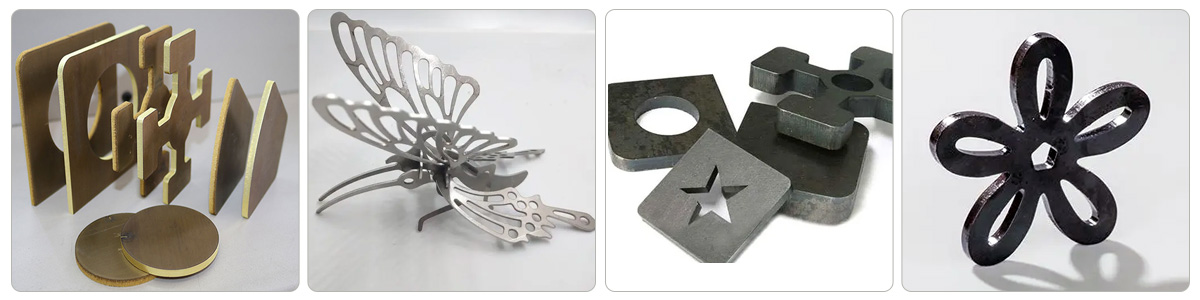
Burrs are present on the edges of cut materials, which not only affect the product’s appearance but may also cause difficulties in subsequent processing, such as issues during coating or assembly.
Solutions:
• Adjust cutting parameters:
Increase laser power: Increasing laser power can help achieve a more thorough cut and reduce burrs on the cut edges.
Reduce cutting speed: Appropriately lowering the cutting speed helps ablate the material more thoroughly, improving cut quality.
• Use appropriate gas:
Select the right assist gas: Choose an appropriate assist gas, such as oxygen, nitrogen, or air, based on the type of material being cut.
Oxygen: Suitable for cutting steel; it improves cutting speed and edge quality but may increase the heat-affected zone.
Nitrogen: Used for stainless steel and aluminum; it produces minimal burrs and optimal cutting edge quality.
• Optimize Focus Settings:
Adjust the laser focus position: Ensure the focus is positioned on the material surface or slightly below it to achieve optimal cutting results.
Check the focal length: Regularly inspect and maintain the equipment to ensure the laser focus is correctly set, thereby preventing a decline in cutting quality.
By effectively addressing the issue of burrs on cut edges, companies can improve the quality of their final products, reduce the risk of subsequent processing and rework, and thereby enhance production efficiency and market competitiveness.
2. Incomplete Cutting
During the laser cutting process, various factors may prevent the laser from fully penetrating the material, resulting in incomplete cuts. This not only affects cutting accuracy but may also lead to difficulties in subsequent processing and waste of resources.
Solutions:
• Increase laser power:
Adjust the laser power settings: Appropriately increase the laser power based on the thickness and density of the material being cut to ensure the laser can fully penetrate it.
Refer to the Material Guide: Consult the laser cutter’s material cutting guide to select appropriate power settings for different materials and thicknesses.
• Check the clarity of the optical path:
Regularly inspect mirrors and lenses: Ensure that the mirrors and focusing lenses in the laser path remain clean to prevent dust and debris from blocking or reducing laser output.
Cleaning and maintenance: Use specialized cleaning tools and solutions to regularly clean optical components and maintain optimal laser beam performance.
• Adapt to material properties:
Adjust Cutting Settings: Modify cutting parameters based on material characteristics (such as thickness, density, and type) to ensure the equipment meets the specific cutting requirements of the material.
Conduct Material Testing: Before large-scale cutting, perform small-scale tests on new materials to determine the optimal cutting settings and prevent incomplete penetration caused by improper settings.
By implementing these solutions, operators can effectively address issues with incomplete laser penetration, improve cutting quality and production efficiency, and ensure products meet design specifications.
3. Deformation and Shrinkage
During the laser cutting process, materials may deform or undergo thermal shrinkage due to localized overheating. This deformation not only affects the appearance of the finished product but can also lead to dimensional inaccuracies and difficulties in subsequent processing.

Solutions:
• Control cutting speed and power:
Reduce cutting speed: Slowing down the cutting speed appropriately can reduce heat buildup and help the material maintain a stable shape during cutting.
Adjust laser power: Set the laser power to a lower level to reduce the temperature of the heat-affected zone, thereby minimizing the risk of material deformation.
• Use cooling equipment:
Introduce cooling gas: Using cooling gas (such as nitrogen or air) during the cutting process can effectively lower the temperature of the cutting area and mitigate thermal deformation of the material.
Increase gas flow rate: Appropriately increasing the background gas flow rate helps dissipate heat from the cutting zone promptly.
• Material Handling:
Select Appropriate Materials: Choose material types that are more resistant to thermal effects during the design phase, and prioritize materials with low thermal expansion coefficients to minimize the risk of deformation.
Control Thickness Appropriately: When laser cutting thick materials, control the material thickness appropriately to ensure that the equipment’s cutting capacity matches the material’s properties, thereby reducing the occurrence of deformation and shrinkage.
By implementing these solutions, operators can effectively prevent deformation and shrinkage, ensuring the precision and quality of laser cutting, and thereby enhancing the overall performance and market competitiveness of the final product.
4. Rough Cut Surfaces
During the laser cutting process, the cut surfaces may appear uneven or rough. This not only affects the appearance of the finished product but may also complicate subsequent processing steps (such as painting or joining).
Solutions:
• Adjust the cutting speed:
Appropriately reduce the cutting speed: By adjusting the cutting speed to a slower level, the laser has more time to melt and ablate the material, resulting in finer and smoother cut edges.
• Use high-quality cutting lenses:
Ensure lens quality: Select high-quality focusing lenses and mirrors to guarantee the stability and focusing performance of the laser beam, reduce laser scattering during the cutting process, and thereby improve cutting quality.
Replace optical components regularly: Maintain good maintenance habits by regularly cleaning and replacing worn lenses to ensure optimal cutting results.
• Optimize material selection:
Select appropriate materials based on cutting requirements: Consider the physical properties of the material and choose materials that are easy to cut to improve surface smoothness during cutting.
Use suitable thicknesses: For specific laser cutting machine models, selecting the appropriate material thickness can reduce surface irregularities during cutting and ensure more ideal final results.
Through these solutions, operators can effectively improve the surface roughness of the cut, enhance the aesthetic quality of the final product and the workability for subsequent processing, thereby meeting stricter market requirements and customer expectations.
5. Distortion of Cut Patterns
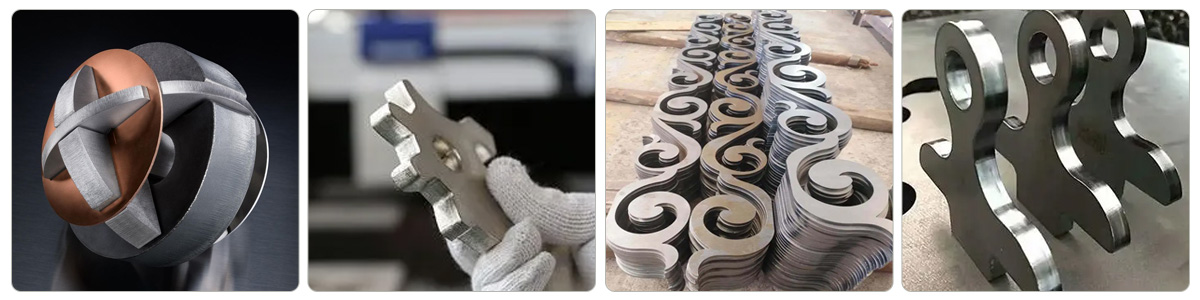
Laser-cut patterns may differ from the design files, resulting in finished products that fail to meet design requirements and thereby affecting the product’s performance and market competitiveness.
Solutions:
• Check CAD Files:
Ensure the accuracy and completeness of design drawings: Carefully review CAD files before cutting to ensure that all patterns, dimensions, and details are correct, thereby avoiding pattern distortion caused by design issues.
Perform test cuts: Before actual production, cut a small sample using the same parameters to verify the accuracy of the file.
• Calibrate equipment settings:
Regularly calibrate the laser cutter: Periodically inspect and calibrate the equipment to ensure the alignment of the optical system and the positioning accuracy of the laser head, thereby maintaining cutting precision.
Implement a maintenance plan: Develop an equipment maintenance plan to regularly check mechanical component wear and electrical system performance.
• Control material deformation:
Optimize Cutting Sequence: Based on material properties and the complexity of the cutting pattern, arrange the cutting sequence to minimize material movement during the process, thereby reducing the risk of deformation caused by heat.
Secure the Material: Use clamps or other securing devices during cutting to ensure the material remains stable and prevent cutting distortion caused by movement.
By implementing these solutions, operators can effectively reduce distortion in laser-cut patterns, ensure that finished products match the design files, and improve manufacturing quality and customer satisfaction. Click here for more information