Unique Advantages of Precision Fiber Laser Cutting Machines in Metal Processing

Views: 49     Author: Site Editor     Publish Time: 2025-09-12      Origin: Site

Inquire

facebook sharing button
twitter sharing button
line sharing button
wechat sharing button
linkedin sharing button
pinterest sharing button
whatsapp sharing button
sharethis sharing button

Table of Contents

1. Introduction

2. High-Precision Cutting

3. Rapid Processing Efficiency

4. Material Suitability

5. Low Heat-Affected Zone

6. Energy Efficiency and Environmental Protection

7. Success Stories

8. Future Outlook

9. Conclusion


Introduction


Fiber laser cutting machines represent a significant technological innovation in the metal processing field in recent years. Utilizing high-energy-density fiber laser beams, they achieve efficient and precise cutting of metal materials. Their outstanding processing capabilities and broad applicability have garnered widespread industry attention. Since the commercialization of laser technology in the 1990s, fiber laser cutting machines have undergone rapid development. The technology has gradually matured, equipment costs have continuously decreased, and their application scope has effectively expanded.


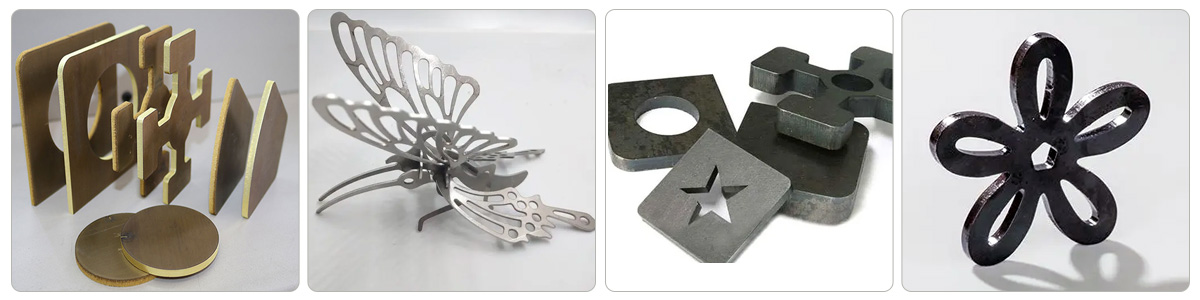
Unique Advantages of Precision Fiber Laser Cutting Machines in Metal Processing samples-1
Unique Advantages of Precision Fiber Laser Cutting Machines in Metal Processing samples-2
Unique Advantages of Precision Fiber Laser Cutting Machines in Metal Processing samples-3
Unique Advantages of Precision Fiber Laser Cutting Machines in Metal Processing samples-4


The significance of fiber laser cutting machines in the metal processing industry is undeniable. As manufacturing demands for high quality, low cost, and rapid delivery intensify, traditional cutting methods increasingly fail to meet modern production requirements. Fiber laser cutting machines not only deliver higher cutting precision and faster processing speeds but also handle diverse metal materials, aligning with trends toward personalized and small-batch production. Consequently, an increasing number of enterprises are adopting this innovative technology, driving the widespread adoption of fiber laser cutting machines in the metal processing industry. The continuous proliferation of this technology not only enhances production efficiency but also injects new vitality into the industry's future development.

High-Precision Cutting

Fiber laser cutting machine achieve ultra-high precision metal cutting through their high energy density and extremely small beam diameter. This process relies on the laser beam's concentration and focusing capability, where a precision optical system focuses the laser beam into an extremely small spot. This generates extremely high temperatures on the material surface, rapidly melting or vaporizing the metal. Several key factors enable fiber laser cutting machines to excel in processing complex and intricate shapes:


1. Small Spot Size and High Focusing

Fiber laser cutting machines achieve smaller cutting spots, resulting in smoother cuts with cleaner edges. This fine spot size allows the machine to maintain high levels of detail when processing complex shapes, enabling the fabrication of intricate patterns and precision components.


2. Dynamic Control System

Equipped with efficient dynamic control software, fiber laser cutting machines precisely adjust cutting paths and processing parameters. This flexibility allows rapid adaptation to varying design requirements, ensuring high efficiency and accuracy when cutting intricate shapes.


3. Minimal Heat-Affected Zone

The heat-affected zone produced by fiber laser cutting is extremely small, effectively reducing material deformation and stress. This ensures post-cut products maintain their design precision—a critical advantage for high-strength, precision metal components.


4. Auto-Focus and Compensation Capabilities

Some advanced fiber laser cutters feature auto-focus functionality, continuously monitoring and adjusting the beam-to-material distance in real time. This ensures consistent cutting quality even when material thickness varies.


Compared to traditional cutting methods (such as mechanical cutting, plasma cutting, or flame cutting), fiber laser cutters demonstrate significant advantages in precision and detail handling:


1. Limited precision of traditional methods: Mechanical cutting is often affected by tool wear, leading to reduced cutting accuracy and difficulty in handling extremely intricate patterns or complex shapes. Plasma or flame cutting relies on thermal cutting principles, resulting in rougher edges and significantly inferior detail reproduction compared to laser cutting.


2. Post-processing requirements: Traditional methods typically require additional grinding or cleaning to remove burrs and unevenness. The smooth cuts produced by fiber laser cutting significantly reduce this need, enhancing subsequent processing efficiency.


Thus, fiber laser cutting machines not only elevate processing precision but also propel the metalworking industry toward greater efficiency and accuracy. Whether manufacturing intricate components or fulfilling customized requirements, fiber laser cutting machines stand as the ideal choice for enterprises due to their exceptional performance. Click here for more information

Rapid Processing Efficiency

Laser cutting machines have become indispensable tools in modern manufacturing due to their exceptional processing speed and highly efficient production capabilities. This equipment can complete complex shape cutting in extremely short timeframes, significantly boosting overall production efficiency. Consequently, it is well-suited for high-volume production, shortening production cycles and reducing labor costs.


The rapid processing efficiency of fiber laser cutting machines is primarily reflected in the following aspects:

1. High-Speed Cutting Capability

Fiber laser cutting machines typically cut metal materials at speeds of hundreds of meters per minute, far surpassing traditional mechanical cutting methods. This enables businesses to complete more orders in less time, significantly boosting production line capacity.


2. Automation and Continuous Production

Equipped with advanced automation technology, fiber laser cutting machines enable 24/7 operation, substantially boosting production efficiency. Simultaneously, automation reduces reliance on manual operation, minimizing the risk of human error.


3. Reduced Downtime

The rapid adjustment and switching capabilities of fiber laser cutting machines allow swift transitions between different processing tasks. This minimizes production line changeover and downtime, enhancing manufacturing flexibility.


pictures-3
pictures-4


Multiple industries benefit from the high efficiency of laser cutting, specifically:

1. Automotive Industry

In automotive manufacturing, laser cutting machines are widely used for processing vehicle bodies, chassis, and components. Their high-speed cutting capability not only accelerates production processes but also enhances precision, ensuring product quality and helping companies shorten time-to-market.


2. Sheet Metal Processing Industry

Sheet metal processing companies utilize fiber laser cutting machines for efficient cutting, meeting complex design and small-batch production demands. Laser cutting technology not only boosts production efficiency but also enables rapid response to customer requests for personalized and customized solutions.


3. Electronics Industry

In electronics manufacturing, laser cutting is employed for cutting circuit boards, enclosures, and connectors. Its high speed and precision allow companies to launch new products faster, enhancing market competitiveness.


These examples demonstrate how the rapid processing efficiency of fiber laser cutting machines delivers significant productivity gains across multiple industries, further accelerating manufacturing development and technological advancement. When facing market demands, enterprises can respond with greater flexibility and speed, thereby gaining substantial competitive advantages. Click here for more information

Material Suitability

Fiber laser cutting machines, renowned for their exceptional performance, can process a wide range of metal materials, demonstrating broad application potential across multiple industries. Below are some primary metal materials along with their cutting results and application scenarios in laser cutting:


1. Stainless Steel

Stainless steel is one of the primary materials for fiber laser cutting. Laser cutting machines can effortlessly handle stainless steel of various thicknesses. The cutting results are smooth with clean edges, requiring no post-processing, making it suitable for manufacturing kitchen equipment, industrial components, and medical devices.


2. Aluminum

Aluminum is widely used in aerospace and automotive industries due to its lightweight and corrosion-resistant properties. Fiber laser cutters efficiently cut aluminum while maintaining high surface quality, making it suitable for precision parts, housings, and frames.


3. Copper

Despite copper's high thermal conductivity, modern fiber laser cutting machines optimize cutting parameters to deliver outstanding performance on this material. Copper cutting applications include electronic connectors, conductive components, and decorative products.


4. Carbon Steel

Fiber laser cutting machines demonstrate formidable cutting capabilities on carbon steel, particularly excelling in rapid, efficient processing of thicker materials. Commonly used in machinery manufacturing, construction, and steel structures, they meet high-volume production demands.


5. Titanium Alloys

Titanium alloys are widely used in aerospace and medical industries due to their lightweight and high-strength properties. Fiber laser cutting machines can precisely cut titanium alloys, ensuring smooth surfaces and high cutting accuracy, making them suitable for manufacturing aircraft components, medical implants, and similar applications.


6. Galvanized Steel and Coated Materials

Laser cutting effectively processes galvanized and coated materials while maintaining excellent edge quality without damaging the coating. This capability makes it widely applicable in home appliances, automotive components, and electronic device enclosures.


With its outstanding material adaptability, the fiber laser cutting machine has become an indispensable tool in modern manufacturing. It empowers businesses across diverse sectors to achieve efficient, precise processing, thereby enhancing product competitiveness. Click here for more information

Low Heat-Affected Zone

During metal laser cutting, the laser beam concentrates extremely high energy density onto a very small cutting area, rapidly heating and melting or vaporizing the material. Compared to traditional cutting methods like flame cutting or plasma cutting, a significant advantage of laser cutting is the extremely small heat-affected zone (HAZ) it produces, causing minimal impact on the surrounding uncut material. This characteristic is particularly important in several aspects of laser cutting:


1. Rapid Heating and Cooling

Laser cutting heats the material surface directly to the required temperature, completing the cut swiftly. This rapid heating allows the cutting zone to return to ambient temperature shortly after the laser leaves, significantly reducing the heated area and duration for surrounding material, thereby minimizing the heat-affected zone.


2. Minimized Deformation and Stress

The small HAZ prevents significant thermal stress-induced deformation or warping during cutting. This is crucial for precision machining, where even minor distortion can cause products to fail specifications and compromise overall quality.


3. Maintained Cutting Precision

Laser cutting technology maintains exceptional cutting precision and detail, ensuring reliable processing of complex shapes and intricate patterns. This not only makes laser cutting suitable for demanding applications but also reduces post-processing requirements.


What Is Needed for Laser Cutting samples


The Importance of Precision Machining and Post-Processing

1. Perfect Cut Edges

The minimal heat-affected zone created during cutting produces exceptionally smooth, clean edges. This often eliminates the need for mechanical grinding or additional finishing, saving post-processing time and costs.


2. Reduced Waste

The advantages of minimizing material deformation and post-processing requirements help businesses maximize raw material utilization, reduce waste, and enhance economic efficiency.


3. Adaptability to Diverse Applications

In industries demanding extreme precision—such as aerospace, medical devices, and high-end consumer goods—the low heat-affected zone ensures products meet stringent quality standards, satisfying customer expectations for detail and performance.


Thus, the low heat-affected zone not only enhances the quality and efficiency of the fiber laser cutting process itself but also provides robust support for maintaining high-precision machining standards, reducing post-processing workload, and boosting overall productivity. By mastering this technical feature, businesses can secure a more advantageous position in intense market competition. Click here for more information


Energy Efficiency and Environmental Protection

Fiber laser cutting machines demonstrate significant advantages in energy efficiency, not only enhancing processing efficiency but also reducing energy consumption, making them a key driver of environmental sustainability in modern manufacturing. Below are the primary features of fiber laser cutting machines in terms of energy conservation and environmental protection:


1. High Energy Efficiency

The laser source in fiber laser cutting machines transmits energy via optical fibers, achieving extremely high conversion efficiency, typically exceeding 30%. This means fiber laser cutters require substantially less energy than traditional cutting equipment for identical tasks, significantly lowering operational costs.


2. Low Energy Consumption

Combined with high efficiency and precise energy focusing, fiber laser cutters exhibit low average energy consumption during operation. This enables businesses to effectively control energy expenditures during mass production, enhance economic benefits, and reduce carbon emissions throughout operations.


3. Zero-Waste Capability

The high precision of fiber laser cutting maximizes material utilization, minimizing scrap and waste during the cutting process. This efficient material utilization approach helps reduce production costs, enabling businesses to use resources more rationally and sustainably.


4. Low Pollution

The fiber laser cutting process generates no harmful substances such as chemical fumes, oil residue, or lead dust. It requires minimal chemical cleaning agents during operation, aligning with modern environmental standards. This makes laser cutting a more eco-friendly method for metal processing, reducing negative environmental impacts.


5. Alignment with Green Manufacturing Standards

Amidst global advocacy for sustainable development and eco-friendly manufacturing, fiber laser cutting machines represent a cleaner processing method that aligns with green manufacturing principles, supporting the transformation and upgrading of the manufacturing sector.


Impact of Modern Environmental Standards:

As environmental regulations tighten and public concern for sustainable production grows, adopting fiber laser cutting machines helps businesses cultivate a positive environmental image. By reducing energy consumption and waste emissions, companies not only lower their environmental footprint but also gain a competitive edge in the market for green products. Furthermore, optimized production processes and energy-efficient equipment enhance corporate social responsibility, attracting more environmentally conscious consumers.


In summary, fiber laser cutting machines play a vital role in advancing sustainable development within the industry through their exceptional energy efficiency, low consumption, and eco-friendly characteristics, making them an ideal choice for modern metal processing. Click here for more information

Success Stories

A sheet metal processing company based in UK specializes in providing high-quality sheet metal components for the automotive and machinery manufacturing industries. With increasing market demand, the company faced dual pressures to enhance production efficiency and cutting precision. Consequently, they sought advanced cutting technology to improve their production processes.


The customer selected our precision fiber laser cutting machine as the core equipment for their production line. Fiber laser cutting technology, with its exceptional cutting performance, can process a wide range of metal materials including stainless steel, aluminum, and other alloys, meeting the customer's demand for product diversity.


After a period of use, the UK customer highly praised the performance of the fiber laser cutting machine. They stated: "We are very satisfied with the cutting results. The laser-cut edges are smooth, the cutting precision is high, and post-processing is almost unnecessary. Since introducing the fiber laser cutting machine, our production efficiency has significantly improved, enabling faster response to customer demands. This technology has exceeded our expectations in both quality and efficiency."


This success story demonstrates the significant advantages of fiber laser cutting machines in the sheet metal processing industry, proving their potential to enhance production efficiency, reduce material waste, and improve product quality. This not only supports the customer's business growth but also strengthens their competitiveness in the market. Click here for more information

Future Outlook

The future development of laser cutting technology in metal processing will be driven by multiple factors, including technological innovation, increased automation levels, and heightened environmental requirements. With continuous advancements in fiber laser technology, laser cutting machines will become more efficient and precise. Emerging laser sources, such as ultrafast lasers and novel wavelength lasers, will further enhance cutting efficiency and material adaptability, creating opportunities to process more complex materials and shapes. Additionally, integrated intelligent control systems will enable real-time monitoring and optimization of the cutting process, thereby reducing process variability and improving overall production efficiency.


In terms of potential innovations, digitalization and smart manufacturing will profoundly reshape the landscape of the metal processing industry. By incorporating big data analytics and artificial intelligence, enterprises can more accurately forecast production demands and optimize resource allocation, achieving more efficient production workflows. Simultaneously, cloud-based remote monitoring and fault diagnosis for laser cutting machines will enhance equipment reliability and maintenance efficiency, delivering superior service experiences to customers.


As global focus on sustainable development intensifies, the eco-friendly characteristics of laser cutting technology will secure its increasingly vital role in the future metal processing industry. Offering significant advantages in material utilization, energy consumption, and waste management, laser cutting enables enterprises to enhance environmental responsibility while pursuing efficiency. This dual benefit will drive the technology's adoption across broader industries, ultimately boosting the competitiveness and sustainability of the entire manufacturing sector. In summary, laser cutting technology will play an increasingly vital role in future metal processing, propelling the industry toward a smarter, greener new era.

Conclusion

Fiber laser cutting machines demonstrate unique advantages in metal processing, including high cutting precision, rapid processing efficiency, broad material compatibility, minimal heat-affected zones, and eco-friendly energy-saving characteristics. These benefits make laser cutting technology an indispensable processing solution in modern manufacturing, enabling it to meet the ever-growing demand for high quality and efficiency.


As market competition intensifies, enterprises must proactively seek innovation and ways to enhance production efficiency. Adopting fiber laser cutting machines not only boosts production capacity and cutting quality but also reduces operational costs, minimizes material waste, and lowers environmental impact. Integrating this technology will help businesses stand out in competitive markets, strengthen competitiveness, and accelerate responsiveness to market shifts.


Therefore, we encourage enterprises within the industry to seriously consider adopting fiber laser cutting machines to achieve continuous technological upgrades and business development. Embracing this advanced technology in a timely manner is a key initiative to secure a leading position in future manufacturing environments, enhance corporate competitiveness, and achieve sustainable development.

Leave a Message
Contact us
More than 10 precision production line, easy to realize large quantities of goods, to provide you with the best price.
Contact Us
  No 317, Mu Dong RD, Wu Zhong DIST, Suzhou City, Jiangsu Province, China
 info@suntoplaser.com
  +86 13771746401

Products

Home
© 2023 Suzhou Suntop Laser Technology Co., Ltd  All rights reserved.