Revolutionizing Personalization: How Metal Laser Cutting Machines Enable Customized Product Design And Manufacturing

Views: 137     Author: Site Editor     Publish Time: 2026-04-10      Origin: Site

Inquire

facebook sharing button
twitter sharing button
line sharing button
wechat sharing button
linkedin sharing button
pinterest sharing button
whatsapp sharing button
sharethis sharing button

Table of Contents

1. Introduction

2. Overview of Metal Laser Cutting Technology

3. Market Demand for Personalized Customization

4. Personalized Design Using Laser Cutting Technology

5. Customized Production Process

6. Future Outlook

7. Conclusion


Introduction

Metal laser cutting machine is an advanced piece of equipment that uses a high-energy laser beam to cut metal materials. Equipped with high-precision optical systems and computer-controlled technology, it is capable of precisely cutting complex shapes. This technology not only offers extremely high cutting efficiency and superior cutting quality but is also compatible with a wide range of materials, including steel, stainless steel, and aluminum. It is widely used in various industries such as automotive manufacturing, aerospace, electronics, and architectural decoration. With advancements in automation technology and improvements in manufacturing processes, laser cutting machines are gradually becoming an essential tool in modern manufacturing.


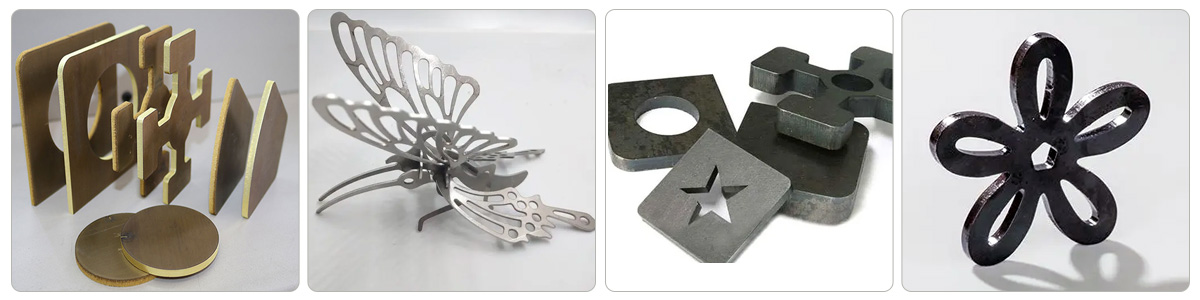
Is Laser Cutting Suitable for Metal Processing Art and decoration samples3-Suntop
Is Laser Cutting Suitable for Metal Processing Construction samples1-Suntop
Is Laser Cutting Suitable for Metal Processing Art and decoration samples1-Suntop
Is Laser Cutting Suitable for Metal Processing Construction samples3-Suntop


In today’s market, personalized customization has emerged as a significant trend, with consumers increasingly demanding unique and personalized products. Whether providing customized products for households, businesses, or brands—such as advertising signage, metal artwork, or personalized gifts—personalized customization effectively enhances the consumer’s purchasing experience and satisfaction. This demand has driven manufacturers to innovate in product design and production processes, and metal laser cutting technology is the key tool for achieving this goal. Through laser cutting, companies can not only respond quickly to market demands but also meet consumers’ expectations for personalized, unique, and high-quality products, thereby standing out in an increasingly competitive market.

Overview of Metal Laser Cutting Technology

Laser cutting technology is a high-tech processing method that uses a high-energy laser beam to perform precise cuts on metal materials. The basic principle involves focusing the laser beam generated by a laser into a small spot to create a high-temperature, high-pressure laser beam, which is then directed onto the metal surface. Under the influence of the laser, the metal material is rapidly heated to the temperature of melting or vaporization. The molten material produced during cutting is then blown away by an assist gas (such as oxygen or nitrogen), thereby achieving precise cutting of the metal.


Laser cutting technology offers the following significant advantages:

High Precision: Laser cutting achieves extremely high cutting precision, with the kerf width controllable to within 0.1 millimeters. This precision makes laser cutting exceptionally effective for processing complex shapes, meeting the demands of high-precision manufacturing and making it ideal for producing intricate components and detailed patterns.


High-speed Cutting: Laser cutting is extremely fast, capable of completing large-area cutting tasks in a short time. Compared to traditional cutting technologies, such as plasma or mechanical cutting, laser cutting typically offers higher production efficiency, thereby saving time and costs.


Material Versatility: Laser cutting can process a wide range of metal materials, including stainless steel, aluminum, copper, and carbon steel. This broad material compatibility has led to the widespread adoption of laser cutting machines across various industries, enabling them to meet the diverse needs of different customers.


With its exceptional precision, high-speed cutting capabilities, and versatility across various materials, metal laser cutting technology has become one of the core technologies in modern manufacturing, providing enterprises with flexible, efficient, and high-quality processing solutions. Click here for more information

Market Demand for Personalized Customization

In today’s consumer market, demand for personalized customization is rising significantly, and consumers’ expectations for uniqueness and personalized experiences are growing. This trend is primarily driven by several factors: First, younger consumers are increasingly seeking unique products and brand experiences, hoping to express their individuality and personal style; second, the widespread adoption of e-commerce platforms and social media has given consumers more opportunities to learn about and access customized products, thereby enhancing market awareness and acceptance of personalized goods; finally, advancements in production technology, such as metal laser cutting, have made personalized customization both feasible and cost-effective, enabling more businesses to enter this market.
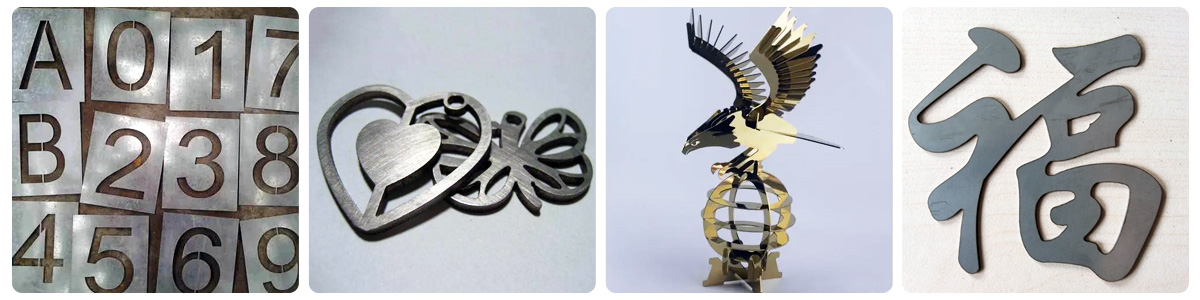

What Is Needed for Laser Cutting samples-Suntop

Different industries have distinct demands for personalized metal products:

Home Furnishings Industry: In home decor, consumers increasingly prefer customizing home ornaments, wall decorations, and metal furniture. For example, personalized metal art pieces, custom metal signage, and family nameplates can add unique style and emotional significance to living spaces. Additionally, with the rise of DIY culture, personalized customization fulfills consumers’ desire for a personalized home environment.


Fashion Industry: In the fashion industry, personalized metal jewelry and accessories are widely popular. Many brands have begun offering customization services, allowing customers to select materials, designs, and engraving content to create one-of-a-kind products. For example, personalized metal necklaces, bracelets, or rings can carry special significance, serving as symbols of a customer’s identity and taste.


Automotive Industry: In the automotive sector, consumers seek innovation and a way to express their individuality, leading to growing interest in customization options such as metal emblems, aerodynamic exterior trim, and personalized interiors. Car owners can use distinctive metal components to highlight their vehicle’s uniqueness and enhance the driving experience. These personalized services not only strengthen consumer brand loyalty but also provide automakers with new sources of revenue growth.


Market demand for personalized customization is rapidly rising, and industries across the board are seizing this opportunity to launch creative, unique products that meet consumers’ high expectations for individuality. This trend not only drives product innovation but also injects new vitality and opportunities into market competition. Click here for more information

Personalized Design Using Laser Cutting Technology

1. Design Phase

In the initial phase of personalized design, designers typically use computer-aided design (CAD) software to create their designs. These programs offer a wide range of tools and features, enabling designers to accurately produce the drawings the client envisions. Designers can build 3D models based on client requirements, adjusting dimensions, shapes, and details to ensure the final design meets expectations.


To ensure design accuracy and client satisfaction, effective communication between the client and the designer is crucial. Designers should engage in in-depth discussions with clients to fully understand their needs, style preferences, and budget. Throughout the design process, feedback and confirmation can be sought through mockups, sketches, and digital models to ensure every design detail reflects the client’s personality and aspirations. This close collaboration significantly enhances design quality while reducing the number of revisions and associated costs later on.

What Is Needed for Laser Cutting samples

2. Sample Production

Once the design is finalized, the next step is to produce a prototype using a metal laser cutter. The laser cutter can precisely cut the required components based on the design files. This process not only demonstrates the design’s feasibility but also verifies the accuracy of every detail using actual materials. Prototype production provides a tangible visual and tactile experience, allowing clients to intuitively understand the final product’s appearance. This stage also helps identify potential design issues, such as cutting precision and structural stability, enabling timely revisions.


After the samples are produced, the feedback and adjustment phase becomes particularly crucial. Designers should proactively communicate with clients, present the samples, and solicit feedback. Client feedback provides guidance to designers, helping identify areas for improvement. Based on this feedback, designers can make necessary adjustments to ensure the final product fully meets client expectations. Through this iterative design process, laser cutting technology not only enhances the efficiency of realizing personalized products but also ensures the quality and satisfaction of every item.


Through a scientific design phase and a meticulous sample production process, laser cutting technology provides robust support for the implementation of personalized customization in production, helping enterprises better meet the unique needs of their customers. Click here for more information

Customized Production Process

1. Small-Batch Production

Laser cutting technology offers significant advantages in customized production, particularly for small-batch manufacturing. Traditional production methods often require high upfront investment and longer lead times, whereas the flexibility and efficiency of laser cutting machines enable them to quickly adapt to custom requirements. By simply inputting design files, laser cutting machines can complete complex cutting tasks in a short time, enabling efficient manufacturing of small-batch products.


This technology enables rapid response to market demand changes, flexible adjustment of production schedules, and fulfillment of customers’ personalized requirements. For example, for custom orders from individual customers, laser cutting machines can complete design, cutting, and delivery within a few hours, without the need for lengthy waits for production line adjustments or equipment changes. This high production speed and efficiency not only enhance customer satisfaction but also significantly reduce inventory and production costs, providing businesses with greater flexibility and the ability to adapt to market changes.


2. Material Selection

In personalized production, material selection is equally important. Laser cutters support the processing of a wide range of materials, making product differentiation possible. Common material options include stainless steel, aluminum, copper, alloys, and non-metallic materials such as wood and plastic. Each material possesses unique properties and aesthetic effects, capable of meeting the personalized needs of different customers.


For example, for decorative products, designers may choose stainless steel to enhance the home’s ambiance; in the fashion industry, for personalized jewelry or accessories, non-ferrous metals like aluminum or copper can be selected to elevate the product’s fashion appeal and uniqueness. By utilizing different materials, businesses can offer customers a richer and more diverse range of options, ensuring that every product reflects the customer’s unique style and personality.


In the personalized production process, laser cutting machines provide flexible and efficient solutions by supporting rapid small-batch production and diverse material options, enabling businesses to quickly adapt to market demands and create customized products with distinctive features. Click here for more information


Future Outlook

As consumer demands continue to evolve, the trend toward personalized customization will become increasingly prominent in future markets. First, technological advancements will make the design and production of personalized products more efficient. The integration of artificial intelligence and big data will help companies conduct in-depth analyses of consumer preferences, thereby enabling them to offer more precise customization solutions. In the future, consumers will not only be able to choose personalized products based on their appearance but also participate in the design of their functionalities, ensuring that products better align with their individual needs. At the same time, companies will place greater emphasis on responding quickly to market changes, using flexible production models to rapidly launch new products and meet consumers’ urgent demand for personalization.


Regarding the development of metal laser cutting technology, its potential for innovation will bring significant opportunities for the manufacturing of personalized products. Future laser cutting technology may achieve higher cutting precision and efficiency, capable of handling more complex designs to meet the demands of the high-end market. Furthermore, the emergence of multi-material fusion processing technology will enable metal laser cutting machines to process multiple materials simultaneously, creating unique, personalized products. Intelligent monitoring systems and real-time feedback mechanisms will also enhance production automation, reduce human error, and improve production efficiency. These technological advancements will ensure that personalized customization is not only realized in design but also significantly boosted during the production process, further enhancing market competitiveness and consumer satisfaction.

Conclusion

Metal laser cutting machines play a crucial role in meeting personalized needs. With their high precision, efficiency, and adaptability to a wide range of materials, laser cutting technology has become an indispensable tool in modern manufacturing. Whether it involves designing intricate works of art, custom home decor, or personalized industrial products, laser cutting machines can quickly and accurately fulfill customers’ unique requirements, thereby helping businesses stand out in a highly competitive market.


We encourage more businesses and consumers to actively engage in the personalization process, viewing it as a significant opportunity to drive business growth and enhance customer satisfaction. For businesses, offering personalized products not only boosts customer loyalty but also opens up new market segments; for consumers, participating in the customization process not only yields unique products tailored to their preferences but also helps create a more personalized consumer experience. Through the integration of metal laser cutting technology and personalized customization, the future market will become even more diverse, creating a win-win situation for both parties.

Leave a Message
Contact us
More than 10 precision production line, easy to realize large quantities of goods, to provide you with the best price.
Contact Us
  No 317, Mu Dong RD, Wu Zhong DIST, Suzhou City, Jiangsu Province, China
 info@suntoplaser.com
  +86 13771746401

Products

Home
© 2023 Suzhou Suntop Laser Technology Co., Ltd  All rights reserved.