Views: 52 Author: Site Editor Publish Time: 2025-10-27 Origin: Site
2. Maintenance Costs of Laser Rust Removal
3. Traditional Rust Removal Methods
4. Long-Term Economic Benefit Assessment
6. Summary and Recommendations
In modern industry, surface treatment technology is crucial, particularly for removing rust and contaminants from metals and other materials. As manufacturing and construction sectors advance, traditional rust removal methods like chemical cleaning and mechanical grinding have increasingly revealed their limitations. These approaches not only risk damaging the base material but also often require hazardous chemicals, leading to environmental pollution and worker health risks. Furthermore, the processing efficiency of conventional techniques remains relatively low, increasing operational costs and time for businesses.

The development of laser rust removal technology has revolutionized this field. Laser rust removal utilizes high-energy-density laser beams to precisely eliminate rust, oil stains, and other contaminants from metal surfaces through photothermal effects. The advantages of this method lie in its high efficiency, environmental friendliness, and minimal damage to the substrate. The application scope of laser rust removal continues to expand, from manufacturing to maintenance and refurbishment sectors, making it an increasingly popular choice.
Against this backdrop, comparing laser rust removal with traditional methods gains heightened significance. By thoroughly analyzing maintenance costs, efficiency, environmental impact, and long-term economic benefits of both approaches, enterprises can make informed decisions to enhance production efficiency and market competitiveness. Therefore, an in-depth exploration of laser rust removal technology's advantages and its comparison with conventional methods will provide valuable insights for industry decision-makers.
The maintenance costs associated with laser rust removal technology represent a critical consideration for enterprises during decision-making, encompassing multiple aspects including equipment investment, routine maintenance, and operational expenses.
1. Equipment Investment
● Initial Purchase Cost Analysis
The initial investment for laser rust removal equipment is relatively high, typically covering procurement costs for components such as the laser source, cooling system, and control software. Prices may range from several thousand to tens of thousands of dollars depending on technical specifications and brand.
Long-term, despite the substantial upfront investment, the high efficiency and low maintenance requirements of laser technology enable companies to recoup their investment within several years of implementation.
● Impact of Equipment Model and Selection on Costs
Different laser rust removal equipment models correspond to varying output power, processing speeds, and material compatibility. For instance, a 1500W unit has relatively lower costs but limited applicability, while a 6000W system can handle larger-scale projects at a correspondingly higher price.
Selecting the appropriate equipment model requires consideration of specific application needs, budget, and future expansion possibilities to ensure a sound investment.
2. Daily Maintenance
● Equipment Maintenance and Care Requirements
Laser rust removal equipment typically has extended maintenance intervals. Routine care primarily involves cleaning optical components, inspecting cooling systems, and updating system software. These maintenance tasks are relatively straightforward and help extend equipment lifespan.
Regular maintenance reduces operational failure risks, enhances equipment efficiency, and prevents unexpected downtime from impacting production.
● Repair and Replacement Costs
Although laser rust removal equipment has a relatively low failure rate, certain components (such as lenses) may require replacement during use, potentially incurring additional repair expenses.
Businesses should allocate a budget for necessary component replacements to ensure uninterrupted equipment operation.
3. Operating Costs
● Energy Consumption Assessment
Laser rust removal equipment typically consumes less energy than traditional rust removal methods. It demonstrates particularly high efficiency when treating large rusted areas, saving both operational time and energy costs.
Specific energy consumption depends on the laser's power and usage frequency. Businesses can consider energy consumption metrics during procurement to optimize long-term operating costs.
Through a thorough analysis of laser rust removal maintenance costs, enterprises can gain a more comprehensive understanding of the economic implications of this technology over extended use. This facilitates more informed decisions regarding equipment selection, daily management, and operational strategies, ultimately enhancing overall economic efficiency. Click here for more information
Traditional rust removal methods primarily include chemical rust removal and mechanical rust removal. Both methods are widely used in industry. While effective, each has certain drawbacks.
1. Chemical Rust Removal
● Cost and Environmental Impact
Chemical rust removal typically involves using acidic or alkaline chemicals to strip rust from metal surfaces. The combined costs of purchasing and disposing of these chemicals can be substantial, especially in large-scale applications.
Additionally, chemical usage poses environmental concerns, including waste liquid treatment challenges and potential gas emissions. These agents may threaten worker health and increase the complexity of safety and environmental regulations businesses must comply with.
● Processing Time and Efficiency Analysis
Chemical rust removal typically requires immersion time, with processing efficiency influenced by factors like temperature, concentration, and material type. For extensive rust coverage, treatment duration may be prolonged, potentially causing production line downtime and impacting operational efficiency.
Repeated applications may be necessary for complex or deep rust, further increasing time and cost.
2. Mechanical Rust Removal
● Labor Costs and Equipment Wear
Mechanical rust removal methods—such as shot blasting, grinding, or brushing—typically rely on manual labor and machinery. Beyond equipment procurement and maintenance costs, worker labor expenses constitute a portion of total expenses.
Machinery experiences wear during operation, necessitating regular abrasive replacement or equipment maintenance, which incurs additional expenditures. Improper maintenance may lead to reduced efficiency or equipment failure.
● Efficiency and Applicability
Mechanical rust removal is generally more efficient for large-area workpieces, especially flat or simply shaped materials. While it offers strong physical removal capabilities, its effectiveness may be limited for intricate details.
Furthermore, mechanical methods may lack flexibility in certain specialized applications—such as hard-to-reach areas or complex structures—requiring complementary tools and techniques to achieve optimal results.
Overall, while chemical and mechanical rust removal methods provide reliable solutions for corrosion removal, they still present a range of challenges, including environmental impact, increased costs, and limitations in processing efficiency. Against this backdrop, laser rust removal emerges as an innovative technology offering a more environmentally friendly and efficient alternative, making it worthy of consideration for businesses selecting rust removal methods. Click here for more information
When evaluating the long-term economic benefits of laser rust removal, a comprehensive analysis must be conducted across three primary aspects: efficiency, material protection, and environmental benefits.
1. Efficiency Comparison
● Analysis of Laser Rust Removal Speed and Accuracy
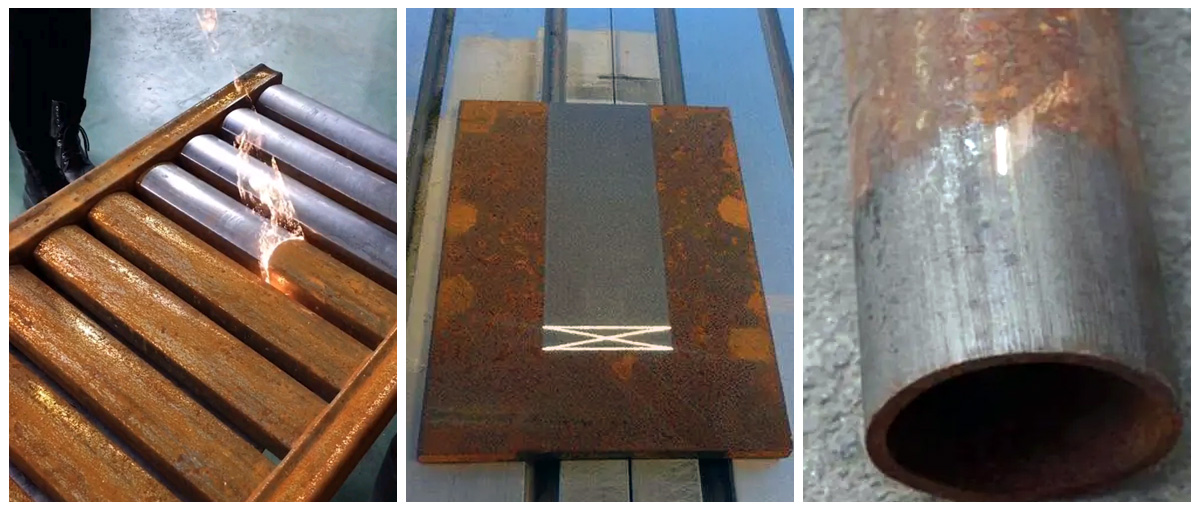
Laser rust removal technology is renowned for its high efficiency. The laser beam can be focused onto the rusted surface in a short time, rapidly removing rust without damaging the substrate. Compared to traditional rust removal methods, laser rust removal significantly accelerates processing speed. It offers higher precision, particularly on complex or delicate surfaces, reducing the need for secondary operations.
● Time Savings in Production Workflows
The rapid nature of laser rust removal enables operators to complete more tasks in less time. This enhances overall productivity in manufacturing environments, shortens project delivery cycles, and saves valuable time and associated costs for businesses. For projects requiring frequent rust removal, the time advantage of laser technology is particularly pronounced.
2. Material Protection
● Impact and Wear of Rust Removal Methods on Substrates
Laser rust removal minimally affects substrates, causing virtually no wear or damage to metal surfaces. This preserves the structural integrity of treated materials, reducing replacement costs due to excessive wear.
In contrast, traditional rust removal methods (such as chemical and mechanical rust removal) may damage the substrate, increasing subsequent maintenance and repair costs.
● Surface Cleanliness After Rust Removal and Subsequent Processing Costs
Laser rust removal provides extremely high surface cleanliness, reducing preparatory work for subsequent processes (such as spraying, plating, etc.). Cleanliness directly impacts coating adhesion and lifespan, further reducing the frequency and cost of subsequent maintenance.
3. Environmental Benefits
● Economic Impact of Reduced Waste and Chemical Usage in Laser Rust Removal
Laser rust removal requires minimal chemical usage, significantly reducing both production waste and associated disposal costs. It also effectively minimizes environmental pollution risks.
By adopting laser technology, businesses can lower capital expenditures on chemical procurement and storage, enhancing overall economic efficiency.
● Compliance Advantages
As environmental regulations tighten, businesses must consider eco-standards when selecting rust removal methods. Laser rust removal, favored for its low-emission characteristics, ensures compliance while minimizing fines and regulatory costs.
Investing in environmentally friendly technologies like laser rust removal may also qualify companies for tax incentives or subsidies, bolstering their market competitiveness.
Laser rust removal technology demonstrates significant economic advantages in efficiency, material preservation, and environmental benefits. Despite higher initial investment, laser rust removal delivers substantial long-term operational cost savings and enhanced productivity, ultimately yielding greater economic returns. Considering the long-term economic benefits of laser rust removal when selecting rust removal technologies will help businesses gain a competitive edge. Click here for more information

In the industrial sector, laser rust removal technology is gaining increasing favor. Many enterprises have achieved cost savings and enhanced production efficiency by adopting laser rust removal.
1. Heavy Industrial Manufacturing Company
This company specializes in large-scale machinery manufacturing and faced severe rust corrosion on heavy metal components. By adopting laser rust removal technology, they significantly enhanced production process efficiency. Laser rust removal rapidly eliminates corrosion without damaging the base material, increasing processing speed by approximately 50%. Ultimately, the company substantially improved customer satisfaction by reducing downtime and enhancing product quality.
2. Bridge and Infrastructure Maintenance Company
A firm specializing in public infrastructure maintenance employed laser rust removal during the upkeep of aging bridges. This technology not only successfully eliminated years of rust buildup but also effectively preserved the original steel structure. Compared to traditional chemical rust removal, laser rust removal reduced labor hours by nearly 30% and lowered environmental protection costs.
3. Automotive Manufacturing Plant
An automotive manufacturer integrated laser rust removal equipment into its production line to clean rust from undercarriages and various metal components. After implementation, they observed improved primer adhesion, reduced coating damage rates, and a 20% overall increase in production efficiency.
These case studies and cost comparisons demonstrate that laser rust removal not only offers significant efficiency advantages but also excels in long-term cost savings and material preservation. Multiple enterprises have successfully reduced rust removal costs and enhanced production efficiency by adopting laser technology, enabling them to gain a competitive edge in the market. These successful applications validate the economic benefits of laser rust removal while providing valuable reference experiences for other businesses. Click here for more information
Through a comprehensive cost-benefit analysis of laser rust removal versus traditional methods, laser rust removal demonstrates significant advantages. Laser technology not only outperforms chemical and mechanical rust removal in processing efficiency and precision but also excels in material protection, prevention of secondary damage, and environmental friendliness. Although laser rust removal requires higher initial investment, its long-term operational cost savings, time efficiency, and enhanced product quality yield more substantial overall economic benefits. By reducing maintenance expenses and boosting production efficiency, laser rust removal generates greater economic value for enterprises.
When selecting applicable rust removal technologies, businesses should consider the scenarios and conditions where laser rust removal is suitable. Particularly in projects requiring frequent rust removal from metal surfaces—such as automotive manufacturing, heavy machinery, and infrastructure maintenance—laser rust removal technology can significantly enhance processing efficiency and lower long-term costs. Furthermore, laser rust removal is the optimal choice when handling complex structures and shapes, or when minimizing damage to the base material is paramount. Enterprises should evaluate their production requirements, project scale, and budget, leveraging the advantages of laser rust removal to make more informed decisions that foster sustainable development and enhance competitiveness.
The development potential of laser rust removal technology lies in its continuous technological innovation and expanding application scope. In the future, with advances in laser technology and gradual cost reductions, laser rust removal will become more widespread, potentially achieving higher processing speeds and precision. Simultaneously, the integration of intelligent technologies such as artificial intelligence and the Internet of Things will further optimize the operation and monitoring of laser rust removal equipment, enabling more efficient and automated rust removal solutions. This will not only enhance work efficiency but also reduce operational risks, improve adaptability to complex environments, and make laser rust removal more suitable for diverse industrial demands.
Simultaneously, the impact of laser rust removal on the traditional rust removal market will present opportunities. Many methods reliant on chemical or mechanical rust removal may face intense competition, compelling these enterprises to upgrade their technologies or adopt laser technology. For the traditional rust removal market, this represents both a challenge and an opportunity, requiring businesses to continuously adapt to market changes and enhance their competitiveness. By integrating new technologies with existing processes, companies can open new market opportunities and achieve sustainable development. Furthermore, amid growing government and societal emphasis on environmental protection, laser rust removal promises to gain market favor through reduced waste and chemical usage, offering traditional rust removal enterprises a new direction for transformation. Overall, the continuous advancement of laser rust removal technology will reshape the industry landscape, propelling it toward more environmentally friendly and efficient practices.
Table of Contents1. Introduction
Table of Contents1. Introduction2. Overview of UV Laser Marking Machines3. Marking Effects on Different Materials3.1 Non-metallic Materials3.2 Metal Materials4. Advantages of UV Laser Marking5. Application Examples of UV Laser Marking6. Conclusion
Table of Contents1. Introduction