Views: 157 Author: Site Editor Publish Time: 2026-06-25 Origin: Site
2. Comparison of Drawbacks in Traditional Cleaning Methods
3. Principles of Laser Cleaning Technology
5. Applicable Industries and Mold Types
6. Practical Application Value
Molds are critical equipment in sectors such as injection molding, die-casting, and rubber processing. After prolonged, repetitive use, the accumulation of heavy oil, carbon deposits, resin residues, and oxide layers within mold cavities, textures, and crevices poses a significant challenge for routine maintenance.

Traditional cleaning methods for stubborn contaminants all have drawbacks: mechanical abrasion can compromise the mold's original precision, while chemical agents risk causing corrosion and pollution. Furthermore, most processes require mold disassembly, resulting in extended downtime.
Inadequate cleaning leads to defects in finished products and higher rejection rates, while frequent rework shortens the mold's service life. Consequently, achieving efficient, non-destructive mold cleaning has become a pressing issue for manufacturers.
Various traditional cleaning processes used in mold maintenance exhibit significant shortcomings, failing to meet the operational requirements of modern precision molds.
1. Sandblasting/Abrasive Blasting: This is a physical impact-based cleaning method. High-speed abrasive particles scratch mold surfaces and wear down fine textures, directly compromising mold precision. Furthermore, particles easily clog air vents and cooling channels, necessitating additional manual clearing; repeated operations accelerate mold aging and significantly shorten its service life.
2. Chemical Cleaning: This method utilizes acidic or alkaline solvents and cleaning agents to remove deposits. These chemicals corrode the mold's metal surfaces and protective coatings, causing surface damage. The treatment of resulting industrial wastewater and hazardous gases entails high costs and strict environmental regulatory compliance. Additionally, chemical residues can contaminate workpieces, adversely affecting the quality of the finished product.
3. Dry Ice / Ultrasonic Cleaning: Both methods have limited cleaning capabilities; they struggle to effectively remove deposits from hard-to-reach areas—such as grooves, micropores, and complex cavities—preventing true deep cleaning. Operational efficiency is generally low. Ultrasonic cleaning also requires mold disassembly, resulting in a lengthy process and extended downtime, which increases production losses for the enterprise.
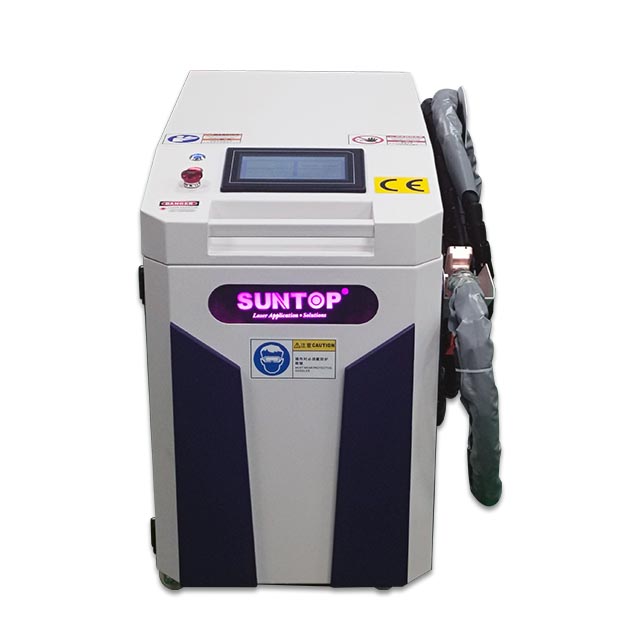
Laser cleaning is an advanced, non-contact pulsed laser cleaning technology specifically developed for precision mold cleaning applications. The equipment directs a high-energy, high-precision laser beam precisely at contaminants on the mold surface; utilizing instantaneous photothermal effects, it causes pollutants—such as carbon deposits, oil, adhesive residues, and oxide layers—to rapidly vaporize, delaminate, and detach. The entire process requires no contact with the mold substrate and involves no mechanical abrasion or chemical corrosion; consequently, it preserves the mold's original precision and surface texture without altering dimensions or causing deformation and damage. Thanks to its safe, precise, and non-destructive nature, laser cleaning has become a leading, high-end process for precision mold maintenance.
1. Non-destructive Cleaning
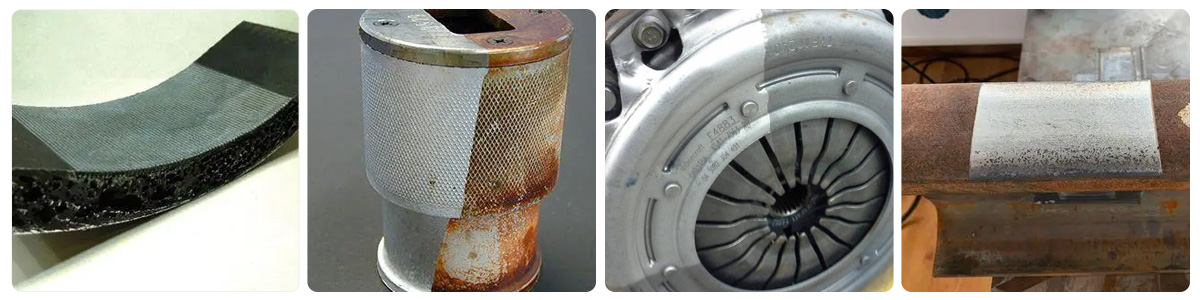
Utilizes a non-contact cleaning method to precisely remove contaminants without scratching or corroding the mold. It preserves the mold's original precision and surface texture, making it suitable for various high-precision molds.
2. Thorough Cleaning
The highly controllable laser beam reaches hidden areas—such as fine grooves, intricate patterns, deep cavities, and narrow crevices—to completely eliminate stubborn residues like carbon deposits, oil, and adhesive traces, ensuring comprehensive cleaning results.
3. High Efficiency
Eliminates the need for mold disassembly or transport; cleaning can be performed directly at the production station. This streamlines workflows, drastically reduces equipment downtime, and effectively boosts overall production efficiency.
4. Eco-friendly
The process requires no consumables and generates no pollutants such as wastewater, exhaust fumes, or dust. It causes no secondary pollution, fully complying with workshop environmental regulations.
5. Cost Reduction and Efficiency Enhancement
Effectively reduces the frequency of mold repairs and refurbishments, lowers product scrap rates, slows mold degradation, and significantly extends equipment service life, resulting in long-term operational cost savings for the enterprise.

● Injection Molds: Effectively removes surface oil, plastic residues, mold release agent buildup, and oxide layers, ensuring the quality of molded plastic parts.
● Die-Casting Molds: Deep-cleans carbon deposits, high-temperature oxide scale, and metal residues; suitable for removing stubborn contaminants typical of die-casting operations.
● Rubber Molds: Removes rubber residues and mold release agent buildup, restoring the mold's original texture and precision.
● Tire Molds: Thoroughly cleans rubber stains and carbon deposits from tread grooves, ensuring the tire meets appearance and dimensional standards.
● Hardware Molds: Cleans off oil, oxide layers, and machining residues, preventing contaminants from compromising stamping or forming results.
● Precision Jewelry Molds: Meticulously removes various residues without damaging intricate patterns, preserving the mold's high precision.
The introduction of laser cleaning equipment enables enterprises to fundamentally improve mold cleaning results, effectively reducing surface defects caused by residue, significantly boosting the yield rate of finished products, and ensuring consistent quality across batches. Furthermore, the "no-disassembly" operational mode minimizes downtime and reduces losses associated with production interruptions, leading to smoother production line operations.
This process also reduces the frequency of mold repairs and refurbishments, thereby cutting long-term maintenance costs. Its eco-friendly, pollution-free nature aligns perfectly with current trends toward factory standardization, intelligent manufacturing, and sustainability, helping enterprises achieve efficient, compliant, and modern production.
The equipment offers flexible operational configurations: it can function as a portable unit for mobile tasks or be mounted on a rack as a stationary system for batch processing. The portable model features a lightweight, easily maneuverable design, allowing it to reach various workstations to handle immediate on-site cleaning, mold repairs, and other ad-hoc tasks. In contrast, the stationary model offers an organized setup ideal for centralized, high-volume, and routine cleaning operations. The equipment adapts seamlessly to a wide range of needs—from daily workshop maintenance and mold repairs to periodic deep descaling and servicing. It features intuitive controls and a low learning curve, ensuring stable, reliable performance during prolonged, continuous operation—fully meeting the demands of long-term use in factory mass-production environments.
Laser cleaning has revolutionized traditional mold cleaning methods. Thanks to core advantages such as high efficiency, precision cleaning, non-destructive mold protection, and eco-friendliness, it has become the mainstream solution for modern mold maintenance. It addresses industry pain points across cleaning, operations, and environmental compliance, comprehensively helping enterprises reduce costs and boost efficiency.
If you are facing challenges with mold cleaning, consider this laser cleaning equipment. By choosing professional laser cleaning technology, you can preserve mold precision, ensure consistent product quality, and further enhance your enterprise's overall manufacturing competitiveness.
Table of Contents1. Introduction
Table of Contents1. Introduction2. Overview of UV Laser Marking Machines3. Marking Effects on Different Materials3.1 Non-metallic Materials3.2 Metal Materials4. Advantages of UV Laser Marking5. Application Examples of UV Laser Marking6. Conclusion
Table of Contents1. Introduction