Exploring The Potential of 3D Laser Marking for Personalized Product Customization

Views: 215     Author: Site Editor     Publish Time: 2026-03-20      Origin: Site

Inquire

facebook sharing button
twitter sharing button
line sharing button
wechat sharing button
linkedin sharing button
pinterest sharing button
whatsapp sharing button
sharethis sharing button

Table of Contents

1. Introduction

2. Technical Features and Advantages

3. Applications of 3D Laser Marking

4. Customization Process

5. Benefits of Customization

6. Future Trends

7. Conclusion


Introduction

The trend toward personalized product customization is rapidly gaining momentum worldwide, as consumers increasingly seek uniqueness and personalization. This trend is evident not only in the fashion, electronics, and gift sectors but is also gradually permeating the industrial and manufacturing sectors. Personalized products not only meet consumers’ individual needs but also enhance brand loyalty and market competitiveness. As consumers’ demand for personalized and unique products continues to grow, businesses must seek effective solutions to meet market demands and improve customer satisfaction.


Laser Engraving Machine for Metal samples6-Suntop
Laser Engraving Machine for Metal samples10-Suntop
Does laser engraving last forever Jewelry and metal products samples2-Suntop
Does laser engraving last forever Household items samples3-Suntop
Laser Engraving Machine for Metal samples4-Suntop


Against this backdrop, 3D laser marking technology, as an advanced processing method, has demonstrated immense potential for application in personalized customization. 3D laser marking technology uses high-precision laser beams to perform deep engraving and marking on various materials, enabling the accurate reproduction of complex designs. This technology not only offers exceptional flexibility and efficiency but also allows for diverse, personalized customization without damaging the material. As the technology continues to evolve, 3D laser marking machines are providing businesses with more options, enabling them to respond flexibly to market demands and thereby driving progress in the design and production of personalized products.

Technical Features and Advantages

1. Technical Features

High Precision:

Utilizing advanced laser emission technology, it achieves micron-level marking precision, ensuring clear details and sharp lines, making it suitable for complex patterns and text.


3D Marking Capability:

The 3D laser marking machine features three-dimensional marking capabilities, enabling marking on materials with various shapes and curved surfaces to meet diverse product design requirements.


Compatibility with Multiple Materials:

Widely applicable to various materials such as metal, plastic, and wood, it offers strong adaptability and supports personalized customization across multiple industries.


High-Speed Processing:

The laser marking process is fast, shortening production cycles and meeting the demands of mass production and quick turnaround times.


Non-Contact Processing:

The marking process does not come into contact with the material surface, reducing damage and wear to the item, making it suitable for products with high surface quality requirements.


Environmental Friendliness:

The marking process requires no chemical solvents or pigments, reducing environmental impact and meeting modern eco-friendly standards.


Intelligent Control System:

Equipped with an advanced software interface, users can easily set and adjust various parameters, achieving high levels of automation while reducing operational complexity and error rates.

1

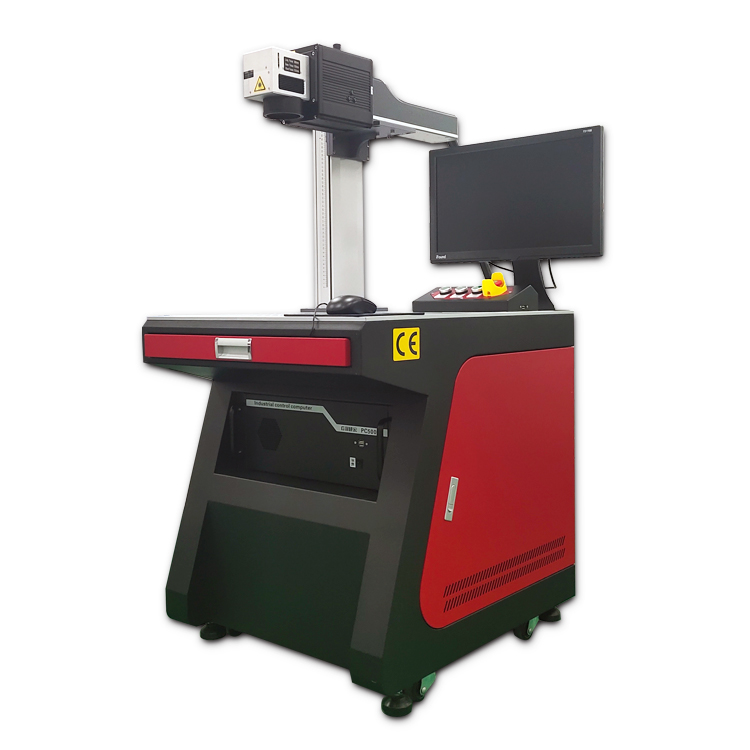
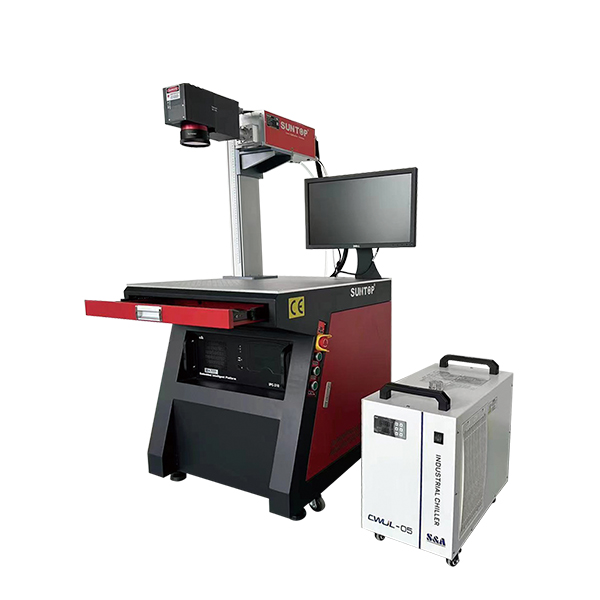
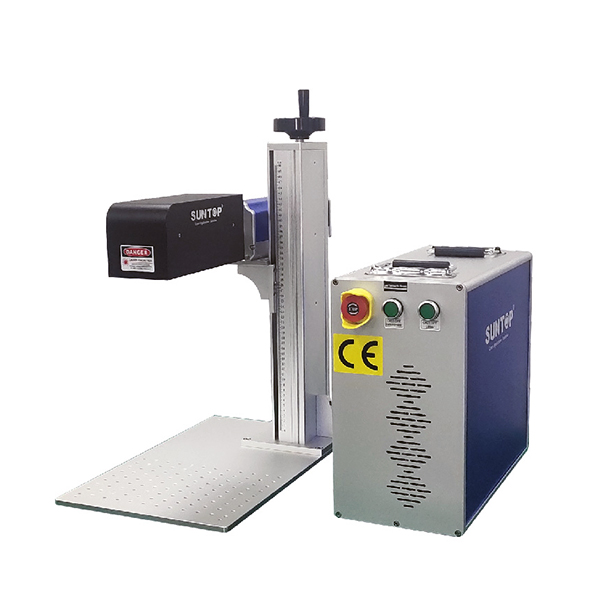
3D Portable Laser Marking Machine

1

3D Fiber Laser Marking Machine

1

3D UV Laser Marking Machine


2. Advantages of 3D Laser Marking Machines

Personalized Customization:

Capable of quickly and flexibly meeting customers’ personalized needs, adding unique value and appeal to products, and enhancing customer satisfaction.


Cost-Effectiveness:

Although the initial investment may be higher, its high efficiency, low maintenance costs, and long service life help businesses reduce overall production costs and improve profitability.


Enhanced Brand Image:

Exquisite laser marking results strengthen a product’s market competitiveness, boosting brand recognition and customer loyalty.


Support for Small-Batch Production:

Suited for small-batch and diversified production, enabling businesses to meet market changes and demands without requiring large-scale investment.


Reduced Manual Intervention:

Automated operations decrease reliance on manual labor, minimize errors caused by human factors, and improve overall production efficiency.


Easy Integration:

It can be easily integrated with other automated equipment or production lines to achieve more efficient production processes and optimize overall production capacity.


Through the above technical features and advantages, 3D laser marking machines provide strong support for businesses in personalized customization and high-quality production, meeting the modern market’s constant pursuit of personalization and refinement.

Applications of 3D Laser Marking

1. Personalization of Consumer Goods

In the consumer goods sector, 3D laser marking technology offers tremendous flexibility and creative freedom for personalized product customization.

● Personalized Gifts: For customized birthday gifts, souvenirs, and holiday presents, laser marking technology can precisely engrave text, patterns, or photos onto the surface of items, providing users with a unique customization experience.

● Consumer Electronics: Personalized marking on consumer electronics such as phone cases, laptops, and headphones enhances brand recognition and boosts the products’ market competitiveness.

● Jewelry: Laser engraving on jewelry, bracelets, necklaces, and other accessories adds personalized names or special patterns, making them more attractive and increasing their collectible value.


2. Industrial Manufacturing

In the industrial manufacturing sector, 3D laser marking technology is widely used for identifying workpieces and equipment, meeting the personalized needs of various industrial products.

● Mold and Workpiece Identification: Marking precise model numbers, specifications, barcodes, and QR codes ensures traceability and management throughout the production process.

● Equipment Identification: Marking mechanical equipment facilitates maintenance, management, and scheduling, thereby improving production efficiency.

● Brand Image Building: Applying brand logos and other markings to product surfaces via laser marking enhances brand visibility and recognition in the market.


3. Medical Devices

The medical industry imposes extremely high requirements for device identification, making the application of 3D laser marking technology in medical devices of significant importance:

● Personalized Medical Devices: For items such as surgical instruments and implants, laser marking ensures precise labeling of model numbers, dates of use, and batch information on each device to meet safety and compliance requirements.

● Long-Term Durability: Laser marking provides wear-resistant markings on various materials, ensuring that identifiers do not fade during use and safeguarding the safety of patients and medical staff.

● Tracking and Management: Ensures that medical devices can be effectively tracked and managed through laser-engraved unique identifiers, enhancing operational efficiency in hospitals and medical institutions.


Through its widespread application across these diverse fields, 3D laser marking technology not only meets consumers’ increasingly diverse and personalized needs but also provides businesses with an effective tool to enhance production efficiency and competitiveness. Click here for more information

Customization Process

The customization process typically involves the following key steps to ensure the final product meets the customer’s expectations and requirements.


Step 1: Requirements Analysis and Design

During this phase, the customer works with the design team to clarify their customization needs. Specific tasks include:

● Gathering customer requirements: Understanding the customer’s specific product requirements, including desired styles, sizes, colors, patterns, and logo content.

● Preliminary Design: Providing several design options for the customer to choose from, ensuring they meet their specific needs.


Step 2: Template Creation

Once requirements are finalized, the process moves to the template creation stage, which involves the following steps:

● Creating Templates with 3D Software: Using professional 3D design software (such as AutoCAD, SolidWorks, or Adobe Illustrator) to create marking templates.

● Visual Effect Adjustment: Optimize the visual effects of the template as needed to ensure the design maintains the desired aesthetics and clarity during actual marking.


Step 3: Laser Marking Implementation

After completing template creation, proceed with the actual laser marking process. This step includes:

● Material Selection: Choose the appropriate marking material (such as metal, plastic, wood, or glass) based on client requirements and the design proposal.

● Laser Marking Operation: Import the template into the laser marking machine, set the marking parameters (such as power, speed, and frequency), and then perform laser marking on the selected material to ensure precise reproduction of the design.


Step 4: Quality Inspection and Feedback

After laser marking is complete, a quality inspection is required to ensure the product meets the client’s expectations:

● Inspecting the Marking Results: Work with the client and the quality inspection team to conduct a detailed inspection of the marking results, verifying the clarity, precision, and accuracy of the design.

● Collect Feedback: Solicit the customer’s opinions and feedback to ensure all details meet their requirements. If necessary, make corrections and adjustments based on the feedback to ensure the final product meets the customer’s satisfaction standards.


Through this process, personalized customization can efficiently and accurately meet customer needs, enhance customer satisfaction, and strengthen the product’s market competitiveness. Click here for more information

Benefits of Customization

1. Enhancing Customer Satisfaction

Customization effectively meets consumers’ growing desire for uniqueness and personalization. By offering tailor-made products, businesses can make customers feel valued and cared for, thereby increasing their willingness to purchase and fostering loyalty. When consumers have access to unique or personalized options, they often develop a deeper emotional connection with the brand, leading to higher overall satisfaction.


2. Enhancing Brand Image

Personalized design not only makes products more appealing but also significantly boosts brand recognition and appeal. Through unique product designs and branding, businesses can stand out in a highly competitive market and shape a distinctive brand image. This differentiation strategy helps establish the company’s reputation for professionalism and innovation in the minds of consumers, while also facilitating brand promotion and expansion.


3. Reducing Inventory Risks

Personalized customization allows businesses to flexibly adjust production plans based on market demand, reducing the inventory pressure associated with mass production. Traditional production models often require large inventories to accommodate diverse consumer needs, whereas personalized customization enables on-demand production, thereby lowering the risk of excess inventory. This approach not only helps reduce costs but also improves a company’s responsiveness to market changes and enhances its adaptability.


These advantages of personalized customization give businesses a stronger competitive edge in today’s competitive environment, enabling them to better meet customer needs, enhance their brand image, and effectively reduce operational risks. By implementing personalized strategies, businesses can not only improve customer satisfaction but also build more resilient business models that promote long-term sustainable development. Click here for more information


Future Trends

Technological Innovation

The future of 3D laser marking technology holds great potential for innovation. With continuous advancements in laser technology, future laser marking machines will become increasingly intelligent and automated. For example, the ability to monitor and adjust marking parameters in real time will be further enhanced, resulting in more consistent marking quality. At the same time, the integration of artificial intelligence and machine learning has the potential to enable more efficient design generation and personalized recommendations, further streamlining the customization process. Additionally, laser sources with higher power and more flexible wavelengths will make laser marking applicable to a wider range of materials and improve deep marking capabilities to meet more complex market demands.


Market Outlook

The market for personalized product customization demonstrates strong growth potential. As consumer demand for unique and personalized products increases, the market size is expected to continue expanding, particularly in sectors such as fashion, electronics, and home goods. Furthermore, with the development of e-commerce platforms and changes in consumer purchasing habits, the convenience and accessibility of personalized customization will drive further growth in this market. According to recent market research, many consumers are willing to pay a premium for personalized designs, presenting abundant business opportunities for enterprises. Therefore, companies should capitalize on this trend by actively developing personalized customization services to enhance their competitive advantage and market share. Overall, 3D laser marking technology will play an increasingly important role in the personalized customization market, driving the industry toward greater efficiency and environmental sustainability.

Conclusion

3D laser marking machines play a pivotal role in personalized product customization. Their high precision, flexibility, and adaptability enable businesses to effectively respond to market demands and provide customers with unique, high-quality personalized products. This technology not only enhances customer satisfaction but also strengthens brand image, reduces inventory risks, and provides robust support for sustainable business development.


Therefore, businesses and consumers should actively explore the possibilities of personalized customization to achieve higher product value-added. In this increasingly competitive market, through 3D laser marking technology, businesses can not only create products that meet consumers’ personalized needs but also achieve dual improvements in brand value and market share. In the future, with continuous technological advancements and market expansion, personalized customization will become a significant trend in business development, warranting attention and investment from all parties.

Leave a Message
Contact us
More than 10 precision production line, easy to realize large quantities of goods, to provide you with the best price.
Contact Us
  No 317, Mu Dong RD, Wu Zhong DIST, Suzhou City, Jiangsu Province, China
 info@suntoplaser.com
  +86 13771746401

Products

Home
© 2023 Suzhou Suntop Laser Technology Co., Ltd  All rights reserved.