Views: 159 Author: Site Editor Publish Time: 2026-07-16 Origin: Site
2. Industry Landscape: Challenges in Traditional Mold Cleaning
3. Core Technological Advantages
5. Mainstream Industry Applications
As the precision manufacturing industry continues to evolve toward higher precision, greater efficiency, and greater environmental sustainability, industrial molds—as the core production tools in fields such as injection molding, die casting, rubber manufacturing, and electronic hardware—play a crucial role. The cleanliness of their surfaces and the stability of their precision directly determine product yield rates and corporate production efficiency. During long-term continuous production, mold cavities are highly prone to the accumulation of carbon deposits, oil residue, release agent residues, oxide layers, and sintered impurities. If not cleaned promptly and effectively, this can directly lead to a series of problems such as product defects, molding deviations, and reduced mold precision, becoming a key bottleneck that hinders high-quality production.
For a long time, most manufacturing companies have relied on traditional cleaning methods—such as manual polishing, sandblasting, and chemical immersion—to maintain their molds. These traditional processes generally have significant drawbacks. Not only are they inefficient and result in prolonged equipment downtime, which significantly impacts production schedules, but they also tend to wear down the mold’s surface texture, compromise dimensional accuracy, and shorten the mold’s service life. At the same time, chemical cleaning generates waste liquid pollutants, while sandblasting and grinding produce large amounts of dust—neither of which meets modern factories’ green and environmentally friendly production standards. Furthermore, the overall operational and maintenance costs, as well as expenses for consumables and labor, remain high, making it difficult to adapt to the production demands of modern smart manufacturing.
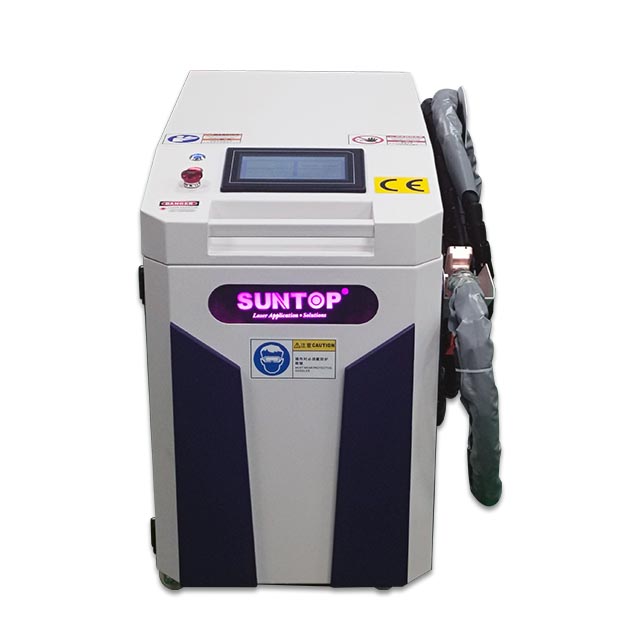
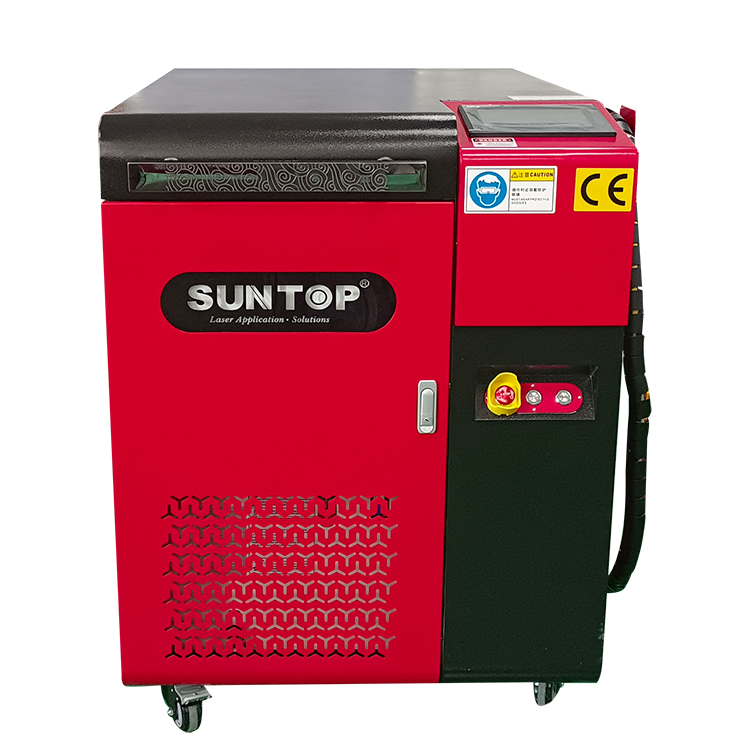
Against the backdrop of the deep integration of smart manufacturing and green manufacturing, laser mold cleaning technology—with its unique advantages of being non-destructive, efficient, clean, environmentally friendly, and intelligent—is gradually revolutionizing traditional mold maintenance models, emerging as the next-generation standardized solution for industrial mold cleaning and maintenance. This article provides an in-depth analysis of the core technical advantages, practical application value, and industry-specific use cases of laser mold cleaning, offering a comprehensive interpretation of how this technology helps manufacturing enterprises improve the quality and efficiency of mold maintenance, reduce costs, and achieve green upgrades.
In large-scale precision manufacturing, impurities such as carbon deposits, oil stains, release agent residues, and oxidation and rust—which accumulate from long-term mold use—require regular cleaning and maintenance. Currently, mainstream traditional cleaning processes—such as manual grinding, sandblasting, and chemical immersion—are suited to extensive production models but fail to meet the maintenance standards for modern precision molds. They present multiple unavoidable industry challenges that severely hinder companies’ efforts to improve product quality, reduce costs, and increase efficiency. The specific issues are as follows:
1. Process Shortcomings: Compromising Mold Precision and Shortening Equipment Lifespan
Traditional cleaning methods all cause varying degrees of mold damage and are considered destructive cleaning processes. Manual grinding and sandblasting are contact-based physical cleaning methods that easily scratch and wear down the mold substrate, damaging the mold’s precise surface patterns, mirror-like finish, and fine groove structures. Repeated cleaning over time leads to dimensional deviations and a decline in precision. Chemical immersion cleaning, which relies on acidic or alkaline agents to remove contaminants, can easily cause corrosion and oxidative damage to the mold substrate. This damages the mold’s surface layer, reduces precision, and significantly shortens the service life of precision molds, serving as a key cause of premature mold scrapping and product molding defects.
2. Efficiency Shortcomings: Cumbersome Processes Disrupt Production Line Flow
Traditional mold cleaning processes are complex and labor-intensive, resulting in extremely low overall operational efficiency. The entire cleaning process requires advance machine shutdown and mold disassembly, followed by multiple steps including soaking, polishing, rinsing, drying, and reassembly and debugging. Cleaning a single mold takes a long time, leading to extended equipment downtime. At the same time, the process relies entirely on manual labor, resulting in low standardization and inconsistent progress. This makes it impossible to meet the demands of high-volume, high-frequency mold maintenance, and frequent shutdowns for maintenance severely disrupt the continuous operation of the production line, significantly reducing overall production efficiency.
3. Cost Inefficiencies: High Overall Waste and Heavy Burden on Enterprises
The comprehensive operating costs of traditional cleaning methods remain high, with significant hidden waste. During production, materials such as sandblasting consumables and chemical cleaning agents are continuously used, resulting in high long-term procurement costs; manual grinding, chemical preparation, and equipment disassembly and assembly require a large number of skilled workers, leading to high labor costs. In addition, the costs of repairs, polishing, and replacements resulting from damage to molds during cleaning, as well as production capacity losses caused by equipment downtime and production halts, combined with various hidden losses, continuously increase the enterprise’s production and operational costs, hindering the factory’s ability to implement precise cost control.
4. Environmental Shortcomings: Severe Pollution and Non-Compliance with Green Production Standards
Traditional mold cleaning processes have significant environmental compliance issues that run counter to modern green manufacturing principles. Chemical immersion cleaning generates large amounts of hazardous waste liquid and volatile exhaust gases, which are difficult to treat and incur high remediation costs; manual grinding and sandblasting operations produce large amounts of metal dust and solid waste, polluting the workshop environment and posing workplace safety hazards. As global environmental regulations for industry become increasingly stringent, these highly polluting processes fail to meet the green production compliance requirements of modern factories, thereby hindering enterprises’ transformation, upgrading, and long-term development.
Compared to traditional mold cleaning processes, industrial laser mold cleaning leverages advanced pulsed laser precision machining technology to overcome the technical limitations of conventional methods. It offers comprehensive advantages in cleaning precision, operational efficiency, cleaning effectiveness, environmental performance, and operational adaptability, perfectly meeting the standardized maintenance and repair requirements of modern precision molds. The core technological advantages are as follows:
1. Non-destructive precision cleaning that provides long-term protection of mold accuracy
Laser mold cleaning employs a non-contact cold-processing cleaning method. Utilizing nanosecond-level ultrashort pulse laser technology, it creates an extremely small heat-affected zone, enabling micron-level precision spot cleaning. The entire cleaning process involves no mechanical friction or physical impact, preventing wear or scratches on the mold substrate. It fully preserves the mold’s original precision surface texture, fine grooves and holes, edge structures, and mirror-like finish, eliminating damage such as deformation, oxidation, and corrosion. Long-term use effectively stabilizes dimensional accuracy, significantly delays mold aging and wear, and substantially extends the overall service life of precision molds, thereby reducing mold replacement and repair costs at the source.
2. High-Efficiency, Rapid Cleaning That Significantly Reduces Downtime Losses
This technology eliminates the cumbersome disassembly and reassembly processes of traditional methods, enabling in-line cleaning of molds without disassembly. It eliminates the need for multiple steps such as shutdown, disassembly, soaking, drying, and reassembly and debugging, greatly simplifying the mold maintenance and repair process. The cleaning speed is both efficient and stable. Compared to traditional methods such as sandblasting, manual grinding, and chemical soaking, the overall cleaning cycle can be shortened by 60%–80%, significantly reducing equipment downtime and effectively improving production line throughput. The equipment is well-suited to factories’ frequent and routine mold maintenance needs, perfectly aligning with the continuous production rhythm of large-scale mass-production enterprises and helping companies increase output efficiently.
3. Comprehensive Deep Cleaning to Stabilize Product Molding Yield Rates
Laser cleaning offers exceptional contaminant removal capabilities, precisely targeting and stripping away all types of stubborn contaminants from mold surfaces, including release agent residues, high-temperature carbon deposits, heavy oil grime, metal oxide layers, sintering residues, and vulcanized deposits. At the same time, the laser spot size can be flexibly adjusted to penetrate deep cavities, narrow crevices, and hard-to-reach corners of mold grooves—areas that traditional processes struggle to access—achieving thorough, uniform, and deep cleaning without blind spots, thereby completely resolving the issue of hidden dirt and grime in molds. This continuously maintains the cleanliness of mold cavities and molding precision, effectively preventing issues such as burrs, defects, color variations, and material shortages, and consistently improving product molding yield rates.
4. Dry Physical Cleaning: Energy-Efficient, Eco-Friendly, and Compliant
Laser mold cleaning is a purely dry physical cleaning process that requires no chemical agents, abrasive media, or cleaning consumables throughout the entire process. It involves no material consumption, no discharge of waste liquids or gases, and no dust pollution, completely eliminating the environmental pollution issues associated with traditional processes. The cleaning process is low-carbon and pollution-free, ensuring a clean and safe working environment that fully complies with global green manufacturing standards and industrial environmental regulations. It not only eliminates significant costs associated with consumables procurement and pollutant treatment but also optimizes the workshop production environment, helping enterprises easily pass environmental audits and achieve green, compliant production.
5. Intelligent and Simple Operation, Suitable for All Types of Molds
The equipment is equipped with an intelligent, adjustable parameter system that allows flexible adjustment of laser power, spot size, and cleaning frequency based on mold material, degree of contamination, and structural shape. It supports various cleaning modes, including precise spot cleaning and comprehensive area cleaning. The user interface is simple and intuitive, with a high degree of automation; no specialized technicians are required, and even personnel with no prior experience can quickly get up to speed after a brief training session. At the same time, the equipment is highly adaptable and compatible with various types of complex molds, including those used in injection molding, die casting, rubber molding, stamping, precision 3C components, and medical devices, covering the vast majority of industrial mold maintenance and repair scenarios and offering exceptional versatility and practicality.

Leveraging the multiple technical advantages of laser mold cleaning, the equipment delivers comprehensive and tangible operational benefits to manufacturing enterprises in real-world production settings. It helps factories achieve refined, intelligent, and eco-friendly upgrades across four key dimensions—product quality, production costs, production efficiency, and environmental compliance. The specific application values are as follows:
1. Quality Improvement: Stabilizes Molding Precision and Continuously Improves Product Yield
Laser cleaning maintains the cleanliness of mold cavities, ensures clear surface patterns, and preserves dimensional stability over the long term without compromising mold precision, thereby completely resolving various production issues caused by carbon buildup, oil contamination, and oxidation residues on molds. It effectively eliminates defects such as burrs, surface imperfections, uneven color, short shots, and mold sticking and deformation caused by surface contamination, ensuring more consistent and stable molding results for every batch of products. By continuously optimizing mold condition, it reduces the production of defective products at the source, steadily improving overall product yield and surface finish quality.
2. Cost-Saving Value: Significantly Reduces Overall Production Costs and Minimizes Hidden Losses
Traditional cleaning methods often cause mold wear and precision degradation, leading to frequent repairs, polishing, or even premature scrapping of molds, resulting in high equipment replacement costs for companies. Non-destructive laser cleaning effectively protects the mold’s structure and precision, extending its service life and significantly reducing expenses related to repairs and replacements. At the same time, the process requires no chemicals or abrasive consumables, substantially lowering material procurement costs. It also eliminates the need for extensive manual labor in cumbersome cleaning procedures, saving on labor costs. Combined with the advantage of short downtime for cleaning, it effectively reduces production capacity losses caused by production line stoppages, comprehensively lowering a company’s overall production losses.
3. Efficiency Benefits: Simplified Maintenance Processes, Suited for Large-Scale Continuous Production
Laser mold cleaning revolutionizes traditional, complex maintenance processes by eliminating cumbersome steps such as disassembly, soaking, grinding, and reassembly and debugging. The cleaning process is simple and efficient, significantly shortening mold maintenance cycles. This effectively improves mold turnover and utilization rates, allowing molds to return to the production line faster and reducing equipment downtime. This standardized and rapid maintenance model is highly compatible with the automated, continuous, and large-scale production rhythms of modern factories, helping enterprises boost overall production capacity and operational efficiency.
4. Compliance Value: Green and Environmentally Friendly Production, Enhancing Corporate Brand Competitiveness
Laser cleaning employs a dry, physical cleaning method that produces no waste liquid, no exhaust gases, and no dust pollution. The entire process is green and low-carbon, fully complying with stringent domestic and international industrial environmental protection standards. It thoroughly resolves the issues of high pollution, high environmental assessment risks, and high remediation costs associated with traditional cleaning processes, helping enterprises achieve safe, compliant, and eco-friendly production. This clean production model not only optimizes the workshop working environment but also enhances the enterprise’s production qualifications and industry reputation, establishing a stronger brand advantage during high-end client audits, industry bidding, and market competition, thereby helping enterprises expand into high-end markets
Laser mold cleaning technology offers exceptional versatility and adaptability, covering the vast majority of industrial precision mold types available on the market. It effectively addresses cleaning challenges such as carbon deposits, oil stains, release agent residues, sintered oxidation, and surface stains on molds across various industries. Suitable for daily maintenance, periodic upkeep, and the refurbishment of aging molds in all types of industrial settings, this technology has already been widely adopted in major core manufacturing sectors.
In terms of mold compatibility, the equipment can efficiently clean all types of industrial molds, including injection molds, die-casting molds, rubber tire molds, stamping molds, precision 3C electronics molds, and medical device molds. Regardless of whether the mold structure is simple or complex, the cavity depth varies, or the surface features fine details, it achieves uniform, thorough, and non-destructive high-precision cleaning, fully meeting the stringent maintenance standards for precision molds.
In terms of industry applications, the technology is widely used in mainstream industrial sectors such as automotive manufacturing, home appliance production, precision electronics, rubber and plastic processing, medical devices, metal stamping, and tire and rubber manufacturing. For high-end production scenarios such as automotive parts molds, home appliance housing molds, 3C precision component molds, and medical sterile molds, this technology reliably ensures mold forming accuracy and product quality. It effectively addresses the challenges posed by traditional cleaning processes—which cannot meet the demands of high-precision, high-cleanliness, and highly compliant production—and has become a core maintenance and support solution for smart manufacturing and green production across various industries.
Compared to traditional sandblasting, chemical, and manual cleaning processes, laser mold cleaning represents a dual innovation in both technology and methodology. With its disruptive advantages—including non-destructive precision cleaning, efficient maintenance, environmental sustainability, and intelligent adaptability—it addresses the industry’s pain points associated with traditional processes, such as poor precision, low efficiency, high pollution, and high costs. Aligning precisely with the core development directions of smart manufacturing upgrades and green, low-carbon production, it has become an indispensable supporting technology in modern precision manufacturing.
Today, laser mold cleaning has evolved from a niche, optional solution into a standardized and routine mold maintenance method in high-end manufacturing facilities. As industry technology continues to advance and become more widespread, this process will fully replace traditional, outdated cleaning methods, empowering various manufacturing sectors to achieve quality upgrades, cost reductions, efficiency improvements, and environmentally compliant production, thereby driving the high-quality transformation and upgrading of the manufacturing industry.
Table of Contents1. Introduction
Table of Contents1. Introduction2. Overview of UV Laser Marking Machines3. Marking Effects on Different Materials3.1 Non-metallic Materials3.2 Metal Materials4. Advantages of UV Laser Marking5. Application Examples of UV Laser Marking6. Conclusion
Table of Contents1. Introduction