Consumable-Free Laser Cleaning Cuts Long-Term Mold Maintenance Costs

Views: 153     Author: Site Editor     Publish Time: 2026-11-13      Origin: Site

Inquire

facebook sharing button
twitter sharing button
line sharing button
wechat sharing button
linkedin sharing button
pinterest sharing button
whatsapp sharing button
sharethis sharing button

Table of Contents

1. Introduction

2. Current Challenges in Mold Cleaning

3. Principles and Process Description of Laser Cleaning

4. Key Advantages of Laser Cleaning in Cost Reduction

5. Typical Applications

6. Comparison Table

7. Summary


Introduction

Traditional mold cleaning methods typically involve sandblasting, chemical solvents, and dry ice cleaning. Not only do these processes entail high costs for consumables and labor, but they also face stringent environmental regulations. Furthermore, they are prone to scratching and damaging the precision cavities of molds, thereby affecting mold accuracy and service life.


The advent of laser cleaning has provided a completely new solution for mold maintenance. It offers the core advantages of being consumable-free, non-contact, and non-destructive, using laser energy to remove surface contaminants without the need for abrasives, chemicals, or other auxiliary materials.

Laser cleaning of molds does it damage the molds samples

This cleaning method eliminates ongoing consumable procurement costs, significantly reduces mold downtime, and lowers maintenance costs over the mold’s entire lifecycle in the long term, thereby helping factories achieve stable production, improve quality, and reduce costs.

Current Challenges in Mold Cleaning

Traditional mold cleaning methods require continuous procurement of consumables, including abrasives, chemical cleaners and dry ice. Long-term repeated purchases bring recurring operational expenses and increase the daily maintenance burden of manufacturing enterprises.


Various conventional cleaning processes have obvious technical drawbacks. Chemical cleaning easily causes environmental pollution and requires additional waste liquid treatment costs, while sandblasting will scratch and wear the mold surface, destroying mold precision and affecting product molding quality.


The traditional cleaning process is cumbersome with multiple procedures of mold disassembly, cleaning and post-processing. It leads to long equipment downtime and seriously restricts production efficiency. In addition, improper cleaning may cause mold corrosion and surface deformation, shorten mold service life, and further increase the cost of mold repair and replacement.

Principles and Process Description of Laser Cleaning

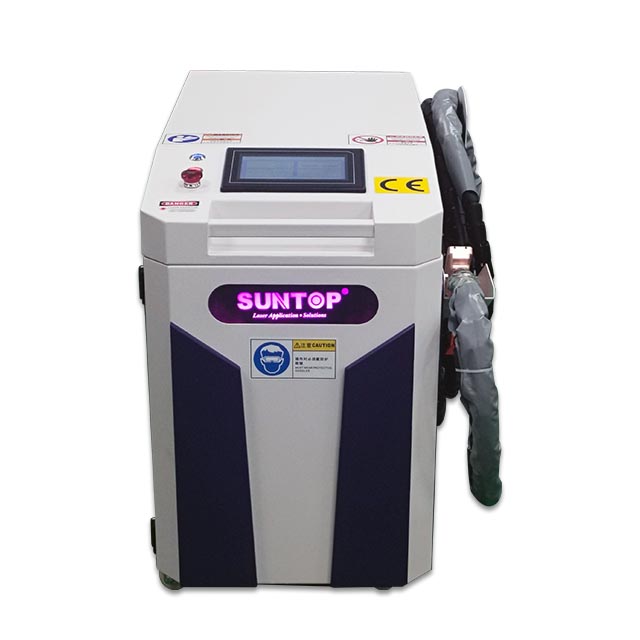
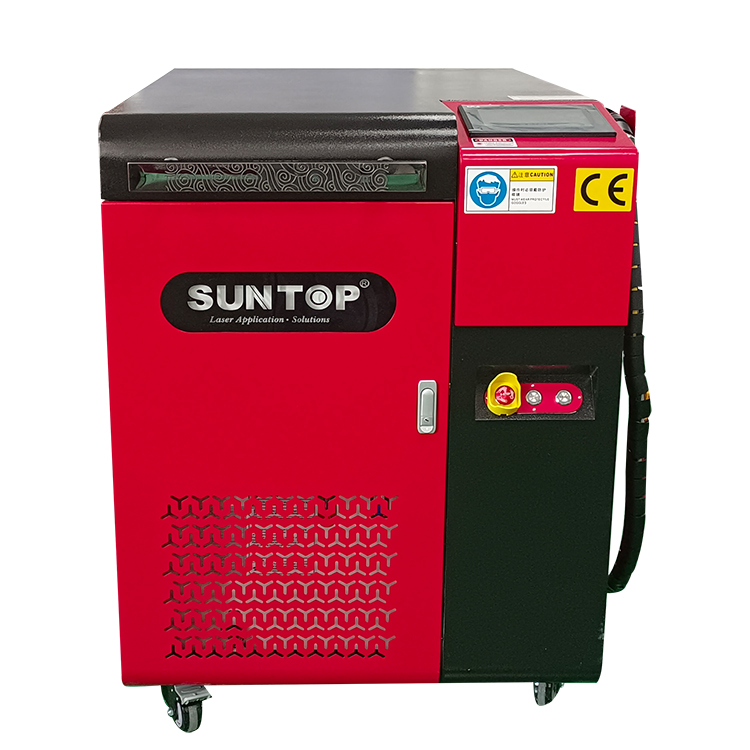
Laser cleaning relies on high-energy pulsed laser technology to achieve precision cleaning. By directing a precise, controllable laser beam onto the mold surface, it can instantly strip away and vaporize various contaminants adhering to the mold—such as carbon deposits, adhesive residues, release agents, and oxide layers—thoroughly removing impurities from the mold surface without causing any physical damage to the mold substrate.


The core advantage of this process is that it is powered solely by electricity; it requires no consumables—such as abrasives, chemicals, or dry ice—throughout the entire process, significantly simplifying the cleaning procedure. The equipment supports flexible, handheld operation and is suitable for the complex cavities, fine textures, and hard-to-reach corners of various irregularly shaped molds. It provides comprehensive coverage of the cleaning area, addressing the challenges of incomplete cleaning and hard-to-reach areas associated with traditional methods.

Key Advantages of Laser Cleaning in Cost Reduction

The greatest core value of consumable-free laser cleaning lies in its ability to significantly reduce the long-term operational and maintenance costs of molds. Unlike traditional cleaning processes, which continuously consume materials, laser cleaning operates solely on electrical power and requires no purchase of consumables such as abrasives, cleaning agents, or dry ice. This completely eliminates recurring consumable expenses and drastically reduces a company’s long-term financial investment in mold maintenance.

4
Laser cleaning machina-4
Handheld laser cleaning machine (2)


This process employs a non-contact cleaning method, where the laser beam precisely targets contaminants on the mold surface without causing friction, impact, or damage to the mold’s base material. It fully preserves the mold’s original precision and structure, effectively reducing wear and damage to the mold. This significantly lowers the additional costs associated with mold repairs, rework, and replacements, thereby effectively extending the mold’s service life.


Laser cleaning is highly efficient and rapid. Compared to traditional, cumbersome cleaning processes, it can thoroughly clean the entire mold in a short time, significantly reducing mold downtime and the frequency of production interruptions. This effectively improves the utilization rates of molds and production equipment, ensures continuous and stable production, and boosts overall production capacity.


At the same time, laser cleaning simplifies the overall workflow. It requires no complex post-processing steps and produces no pollutants such as waste liquids or residues, eliminating additional expenses associated with pollutant disposal and environmental compliance measures, and easily meeting the factory’s environmental compliance requirements. The equipment is simple and convenient to operate, requiring no specialized technical skills; a single person can independently complete the cleaning task, significantly reducing personnel training costs and labor input, and truly achieving efficient, cost-effective, environmentally friendly, and hassle-free mold cleaning.

Typical Applications

Laser cleaning is suitable for the routine maintenance and deep cleaning of various industrial molds. It covers mainstream mold types across multiple industries and effectively addresses the challenges of stain and residue removal for different molds, offering exceptional versatility. For injection molds, it efficiently removes stubborn impurities—such as residual rubber and carbon deposits—that have accumulated over long-term production, restoring the cleanliness of the mold cavities and ensuring optimal molding results for injection-molded products.

Is it true that laser cleaning of molds does not harm the substrate sample-Suntop

In rubber and silicone mold processing, it can precisely remove vulcanized residues from mold surfaces and crevices, resolving issues with stubborn stains that are difficult to remove using traditional cleaning methods and preventing these residues from affecting product appearance and precision. It can also be applied to die-casting mold cleaning, effectively stripping away scale and release agent residues from mold surfaces, improving surface condition, and enhancing the production quality of die-cast products.


Furthermore, this equipment is suitable for routine maintenance of high-precision molds, such as precision metal molds and plated molds. The cleaning process does not damage the base material or compromise precise surface patterns, enabling deep cleaning while preserving mold precision and meeting the maintenance requirements of high-precision production environments.

Comparison Table

To intuitively reflect the comprehensive advantages of laser cleaning, this article compares traditional cleaning processes and laser cleaning technology from five core dimensions: consumable consumption, mold protection, cleaning efficiency, environmental performance and long-term cost, fully demonstrating the innovative value of laser cleaning in mold maintenance.


Comparison Dimension
Traditional Cleaning (Sandblasting / Chemical / Dry Ice Cleaning)
Laser Cleaning
Consumable Usage
Continuous purchase of abrasives, cleaning agents and dry ice is required, resulting in high long-term consumable costs
Electricity-driven only, zero consumable consumption and no recurring purchasing cost
Mold Damage Risk
Sandblasting wears the cavity surface, while chemical cleaning causes corrosion, easily damaging mold precision
Non-contact cleaning mode, zero damage to mold substrate, no destruction of mold textures and precision
Cleaning Efficiency
Complicated procedures including disassembly, cleaning and post-processing, long working hours and prolonged downtime
Intelligent one-click cleaning with simple procedures, greatly improves cleaning speed and shortens mold downtime
Environmental Performance
Produces waste liquid, residue and dust, requiring extra environmental treatment costs and bringing compliance pressure
Pollution-free operation with no waste generated, no secondary treatment required, fully meets workshop environmental standards
Long-Term Cost
High comprehensive costs of consumables, labor, mold repair and environmental treatment with increasing annual maintenance investment
Only one-time equipment investment, extremely low subsequent operation cost, effectively reduces the full-life-cycle maintenance cost of molds


The comparison shows that traditional cleaning methods can only meet basic cleaning needs with obvious drawbacks. In contrast, laser cleaning integrates high efficiency, environmental protection, non-damage and low cost, perfectly matching the refined and cost-effective mold maintenance demands of modern manufacturing factories.

Summary

Laser cleaning is not merely a single cleaning tool, but rather a comprehensive, precision maintenance solution tailored to the entire lifecycle of molds in industrial production. It addresses the pain points of traditional cleaning methods—such as high consumption of cleaning materials, mold damage, low efficiency, and environmental constraints—at their source. While ensuring mold precision and service life, it continuously reduces the overall cost of mold operation and maintenance for enterprises, delivering multiple benefits including improved production quality, increased efficiency, and cost reduction.

This cleaning solution has broad applicability and is particularly well-suited for manufacturing facilities that prioritize production stability, strictly enforce environmental regulations, and maintain tight control over mold maintenance budgets. It perfectly aligns with the mold maintenance requirements of modern smart manufacturing, replacing traditional, outdated cleaning processes and helping enterprises upgrade their production processes.


We can tailor a customized laser mold cleaning solution on a one-on-one basis according to the customer’s mold material, type of contamination, and production conditions. We welcome all customers to submit samples for testing, conduct on-site inspections of the equipment’s cleaning performance, and experience firsthand the advantages of this non-destructive and highly efficient cleaning method. If you have any related needs, please feel free to contact us at any time to obtain professional process solutions and precise quotes.

Leave a Message
Contact us
More than 10 precision production line, easy to realize large quantities of goods, to provide you with the best price.
Contact Us
  No 317, Mu Dong RD, Wu Zhong DIST, Suzhou City, Jiangsu Province, China
 info@suntoplaser.com
  +86 13771746401

Products

Home
                                                                © 2023 Suzhou Suntop Laser Technology Co., Ltd  All rights reserved.       https://www.metalbasketcontainer.com